There are places you visit and places that visit you long after you’ve left. Historic Stagville, tucked away on the northeastern edge of Durham along Old Oxford Highway, is firmly in the second category. This is one of the largest and best-preserved plantation sites in the American South, and spending an afternoon here is one of the most genuinely moving, thought-provoking experiences the Triangle has to offer.
Stagville sits on land that once made up a sprawling 30,000-acre plantation complex owned by the Bennehan and Cameron families. At its peak, more than 900 enslaved people lived and labored here — a staggering number that this site takes seriously and honors with care. What makes Stagville extraordinary is not just the age of its structures (some dating to the 1770s and 1780s), but the deliberate, respectful way the site centers the stories of the enslaved community rather than the plantation owners. That shift in perspective makes all the difference.
The crown jewel of the property is the Great Barn, built around 1860 by enslaved carpenters using hand-hewn timbers and mortise-and-tenon joinery. Standing inside it, you’re immediately struck by the scale and the craftsmanship — it is an architectural achievement by any measure, and knowing who built it, and under what conditions, makes it all the more remarkable. Nearby, four original slave dwellings still stand, two of them two-story structures that housed dozens of people. These are not reconstructions. They are the real thing, and they carry weight.
The site is managed by the State of North Carolina and offers guided tours led by knowledgeable, passionate interpreters who bring layers of history to life without sanitizing it. Tours are offered on a regular schedule, and the grounds are also open for self-guided exploration. There’s no admission fee, which feels almost startling given what’s here.
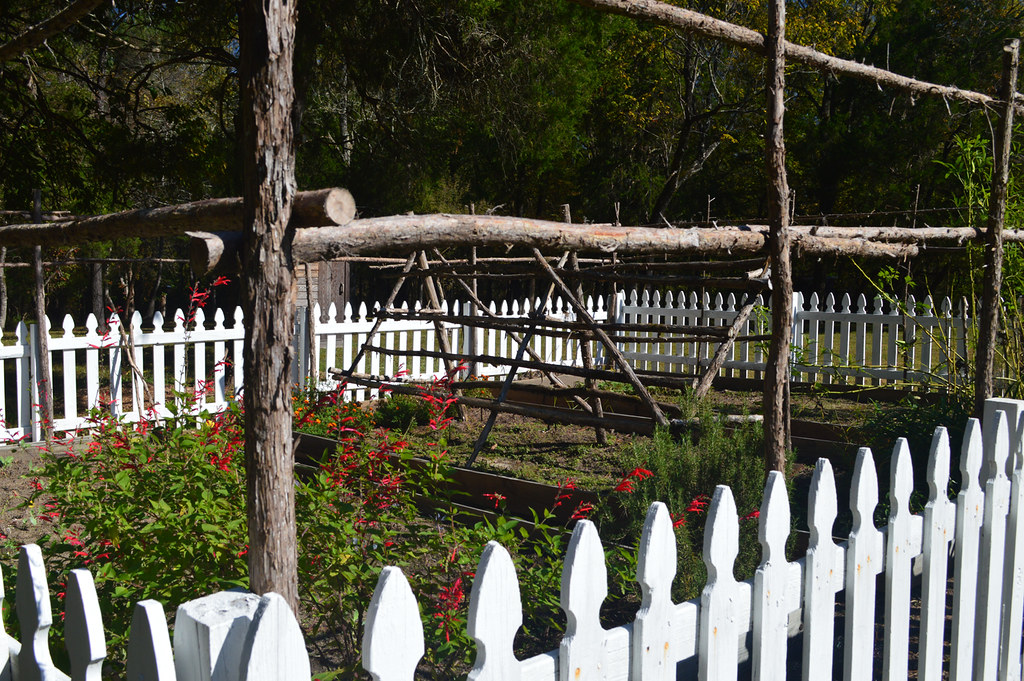
The surrounding landscape is serene — rolling fields, old-growth trees, a quiet that seems fitting. Bring comfortable shoes because you’ll want to walk the grounds slowly. If you visit in the spring, the dogwoods along the drive are stunning. In fall, the hardwoods put on a show that would stop anyone in their tracks.
Stagville is not a polished tourist attraction with a gift shop and a café. It is something rarer: an honest place. It asks something of you as a visitor, and it rewards your attention generously. Whether you’re a lifelong history enthusiast, a first-time visitor to Durham, or someone who simply wants to understand this region more deeply, this is where you should spend a morning or an afternoon.
Located about 10 miles north of downtown Durham at 5828 Old Oxford Highway, Historic Stagville is a reminder that the most important stories are often told in the quietest places.