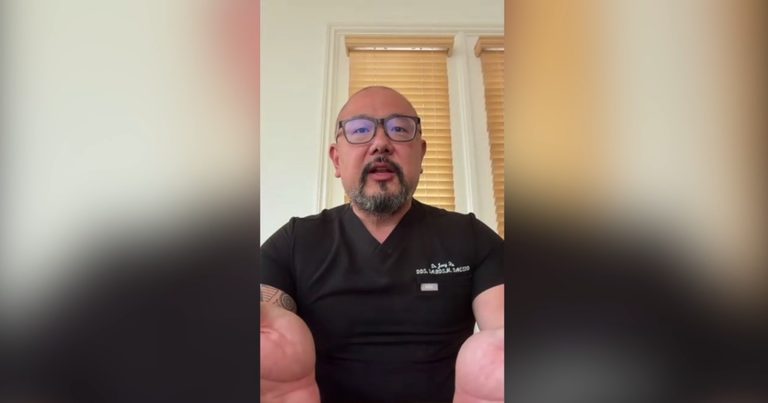
When Nevada returned to standard time this week, many residents found that the extra hour of sleep didn’t translate into feeling rested. Dr. Jerry Hu, a sleep specialist with Nevada Dental Sleep Medicine, says the change can throw off the body’s internal clock, particularly for those whose jobs don’t follow a traditional 9‑to‑5 schedule.
Why the time change matters
“Switching the clock back an hour can be a lot for people, especially if they already get limited sleep or work rotating shifts,” Dr. Hu explained. In a city like Las Vegas, where casino staff, hospitality workers, health‑care providers, and public‑safety personnel often work evenings, nights or split shifts, the disruption can be more pronounced.
Consistency is key
Dr. Hu emphasizes that maintaining a regular sleep‑wake pattern is the most effective way to keep the circadian rhythm on track. Rather than making a drastic shift all at once, he recommends adjusting bedtime and wake‑up time in 15‑minute increments. “Small, consistent changes are easier for the body to adapt to than a sudden hour‑long jump,” he said.
Get daylight during the day
Exposure to natural light is another crucial factor. “Daylight helps signal the brain that it’s time to be awake, reinforcing the internal clock,” Dr. Hu noted. He advises getting outside in the morning or early afternoon, even if it’s just a short walk, to boost daylight exposure.
Practical tips for Las Vegans
For those still struggling after the time change, Dr. Hu offers three straightforward steps:
- Stick to a consistent bedtime and wake‑up time. Even on days off, try to keep the schedule within a half‑hour of your usual routine.
- Make adjustments gradually. Shift your schedule by 15 minutes each night until you reach the desired time.
- Prioritize daylight. Spend time outdoors during daylight hours, especially in the morning, to reinforce your body’s natural rhythm.
These recommendations apply to anyone experiencing difficulty, but they are especially relevant for Southern Nevada residents working overnight or early‑morning shifts. While the irregular hours present a challenge, Dr. Hu believes that even modest changes can help keep the body’s internal clock synchronized.
When to seek professional help
If fatigue persists despite following these guidelines, Dr. Hu suggests consulting a sleep specialist. Underlying sleep disorders, such as sleep apnea or delayed sleep phase syndrome, may require targeted treatment.
By embracing consistency, gradual adjustments, and ample daylight, Las Vegas residents can mitigate the lingering effects of the recent time change and return to a healthier, more rested routine.
Original reporting: KTNV 13 Action News Las Vegas (local) — read the source article.