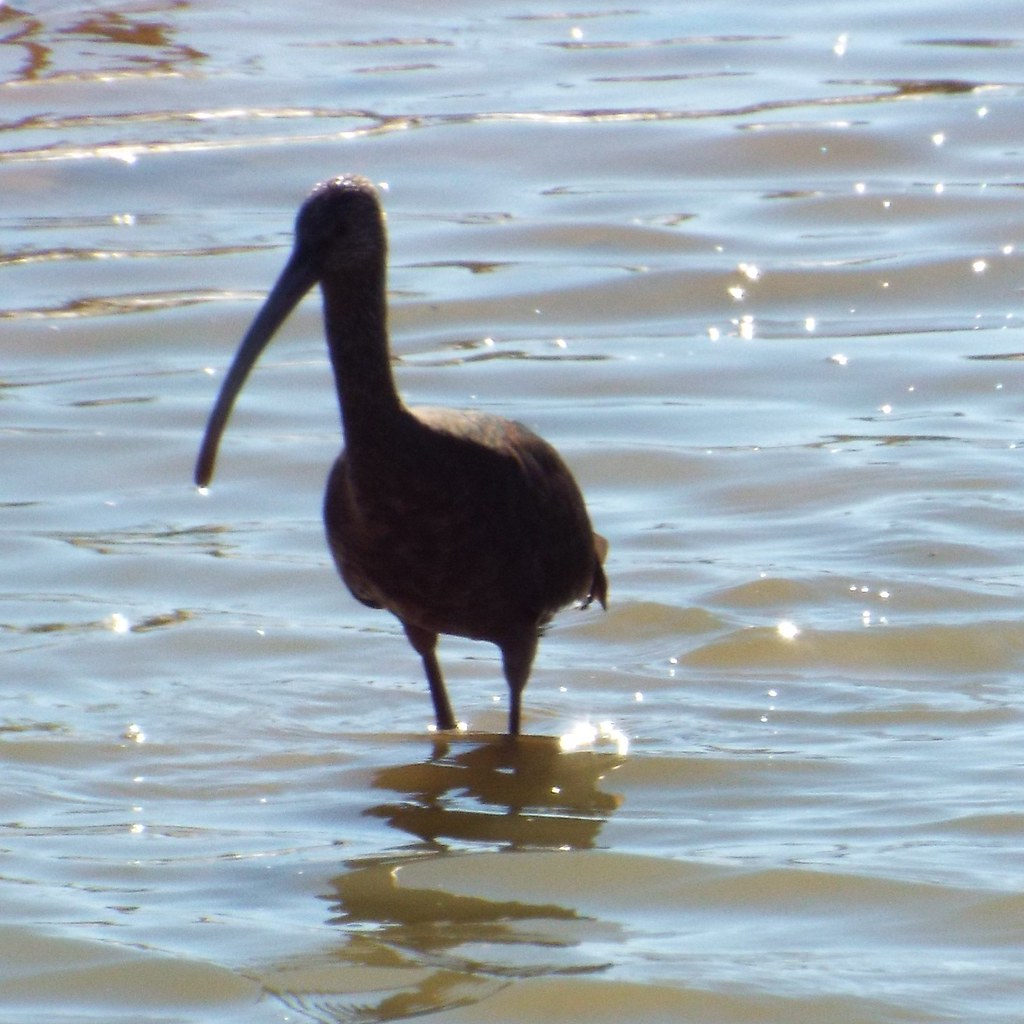
There are places that stop you in your tracks — not with neon signs or admission counters, but with the kind of quiet, breathtaking beauty that reminds you the world is still wonderfully wild. Hagerman National Wildlife Refuge, nestled along the Big Mineral Arm of Lake Texoma just a short drive west of Sherman, is exactly that kind of place. And if you haven’t made the trip out yet, consider this your personal invitation.
The refuge spans more than 11,000 acres of wetlands, upland fields, and hardwood forests, all managed by the U.S. Fish and Wildlife Service to protect migratory birds and native wildlife. What that means for you, the visitor, is something remarkable: a front-row seat to one of North Texas’s most spectacular natural theaters, open year-round and completely free to enter.
Getting there is simple. From Sherman, head west on Highway 82, then follow the signs south toward the refuge headquarters off FM 1417. The drive itself begins to shift the moment you leave the city grid — the landscape opens up, the sky gets bigger, and by the time you pull into the main lot, you’re already breathing differently.
I made my first visit on a cool November morning, and I was genuinely unprepared for what I saw. Thousands of snow geese and white pelicans were gathered across the shallow impoundments, moving in great sweeping arcs overhead. It’s the kind of sight that makes you reach for your phone, fail to capture it adequately, and then just put the phone away and watch. Peak migration season runs from October through February, when waterfowl numbers swell dramatically, but there is honestly no bad time to visit. Spring brings nesting songbirds and wildflowers across the upland trails. Summer offers quieter birding and the chance to spot white-tailed deer, wild turkey, and the occasional coyote threading through the tall grass at dusk.
The refuge has several well-maintained auto tour routes and walking trails, including the popular Meadow Pond Trail, a gentle loop that winds past wetland overlooks and interpretive signage. It’s accessible for most fitness levels and easy enough for kids, yet rich enough in detail to hold the attention of serious naturalists. Bring binoculars — a good pair makes an enormous difference — and a field guide if you enjoy identifying species. The refuge has recorded over 300 bird species across its lands, which puts it firmly on the map for birders traveling from well beyond Grayson County.
The refuge headquarters building is worth a stop on its own. Staff and volunteers are knowledgeable and genuinely enthusiastic, and the small interpretive displays inside give helpful context about the refuge’s history and the broader Central Flyway migration corridor that passes directly overhead each season.
What makes Hagerman feel special, beyond the wildlife, is the atmosphere of unhurried discovery it invites. There are no ride queues, no gift shop pressure, no background music piped in to fill the silence. Just wind through cattails, the distant call of a great blue heron, and the particular satisfaction of a morning well spent somewhere genuinely worth going. Sherman has plenty to offer, but Hagerman is the kind of place that lingers with you long after you’ve driven home.
Pack a thermos, lace up comfortable shoes, and head out there. The refuge is open daily during daylight hours, and the headquarters building is typically staffed on weekdays. Check the official U.S. Fish and Wildlife Service website for seasonal highlights and any temporary access updates before your visit. Once you’ve seen the sun rise over those wetlands with a thousand birds taking flight at once, you’ll understand exactly why this place deserves a spot on every Sherman itinerary.