There is a museum in Houston that stops people mid-sentence the moment you mention it. “Wait — a funeral museum?” Yes. And once you walk through those doors in the Northgate Forest neighborhood, just north of the city’s bustling core, you will understand immediately why this place has earned a devoted following and a reputation as one of the most genuinely fascinating cultural stops in the entire state of Texas.
The National Museum of Funeral History opened in 1992 and has been quietly captivating curious visitors ever since. Tucked alongside the Geo. H. Lewis & Sons funeral home on North Sam Houston Parkway, the museum occupies over 35,000 square feet of thoughtfully curated gallery space. It is the largest museum of its kind in the United States, and that scale alone tells you something important: there is far more to explore here than you might expect walking in.
The collection spans centuries and continents. You will find one of the world’s most comprehensive displays of antique hearses — horse-drawn Victorian carriages with their ornate carvings and glass side panels, side by side with sleek mid-century American funeral coaches that look like they rolled straight out of a 1950s dream. Each vehicle carries its own quiet gravity, a reminder of the craftsmanship that once surrounded life’s most solemn passages.
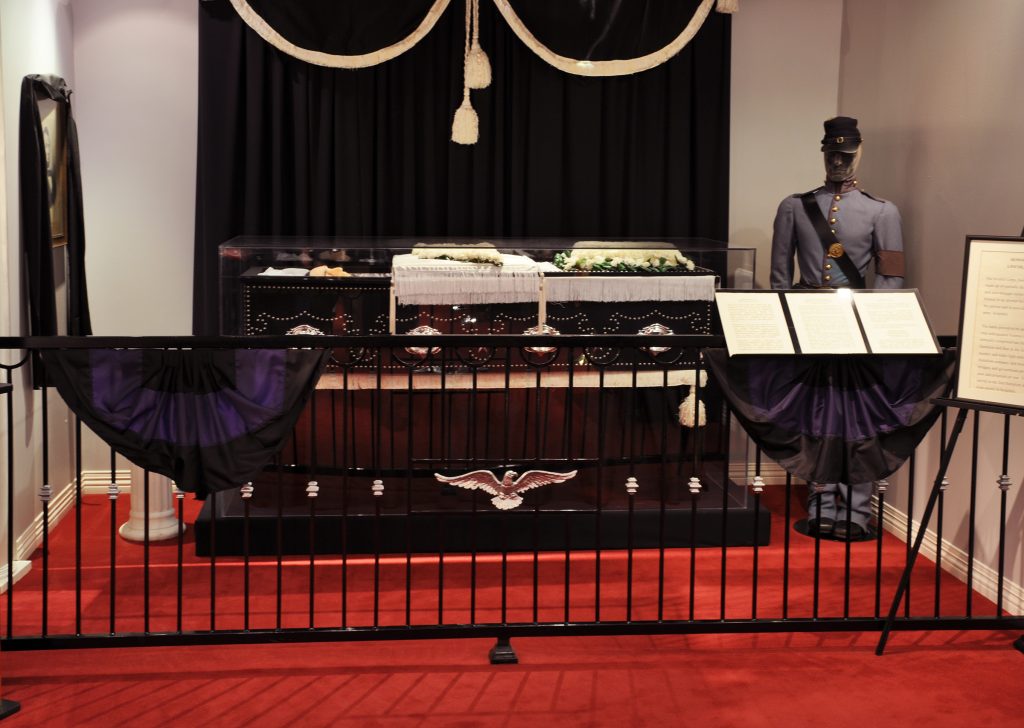
But the exhibits go well beyond the vehicles. The museum dedicates significant space to the funeral traditions of ancient Egypt, with detailed reproductions and artifacts explaining mummification with a level of depth that would satisfy any history enthusiast. There is a remarkable exhibit on presidential funerals, featuring caskets used in state ceremonies and intimate details about how the nation has mourned its leaders across generations. The casket of President William Howard Taft and a replica of Abraham Lincoln’s funeral train car are among the highlights that tend to hold visitors in place for long, quiet moments.
One of the most talked-about permanent exhibitions explores the Día de los Muertos tradition, celebrating the vibrant, color-saturated Mexican holiday with altars, folk art, and cultural context that turns a sometimes misunderstood observance into something genuinely beautiful and accessible.
What strikes most visitors — and struck me — is how consistently uplifting the experience feels. This is not a morbid place. It is a place that treats death as an inescapable and deeply human part of life, worthy of artistry, ceremony, and honest reflection. The staff is warm and knowledgeable, and the mood throughout the galleries is one of respectful curiosity rather than gloom.
Admission is very reasonable, the parking is easy, and the museum gift shop sells items that make for genuinely memorable souvenirs. Plan for at least two hours, because you will want to linger. Whether you arrive as a history buff, a culture seeker, or simply someone who appreciates the genuinely unusual, the National Museum of Funeral History delivers something rare: an experience that changes slightly how you see the world on your way out the door.