There is a moment, somewhere between the clatter of a working linotype machine and the gleam of a restored 1865 oyster buyboat bobbing gently in the harbor, when it really hits you: Baltimore built things. Big, important, messy, ingenious things. And the Baltimore Museum of Industry, tucked along the waterfront in the South Baltimore neighborhood of Locust Point, is the place that honors every bolt, bale, and blistered hand that made it happen.
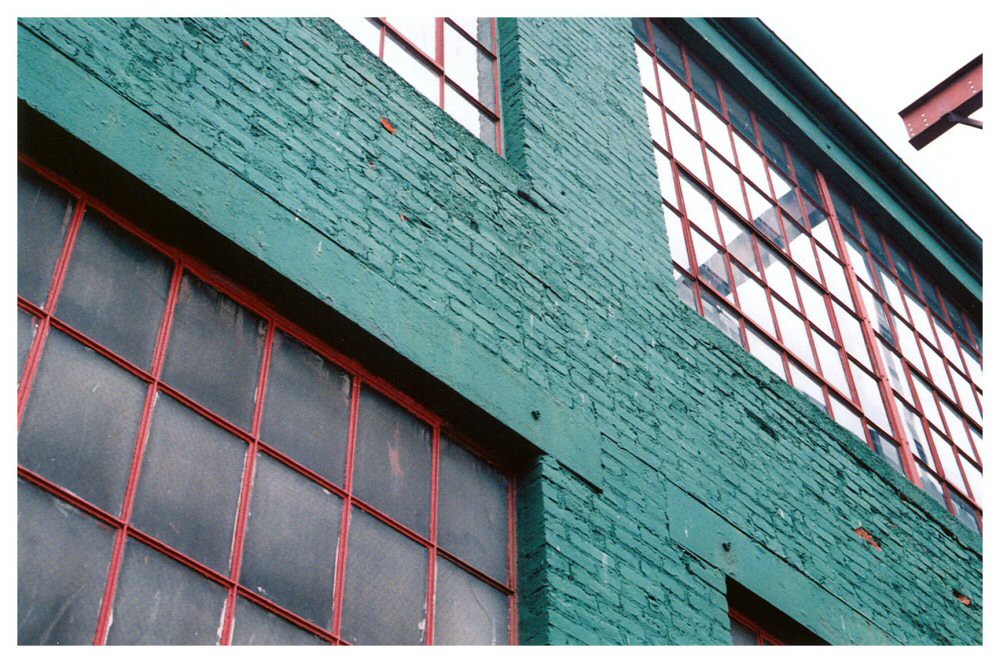
I walked in expecting a quiet, glass-case kind of afternoon. What I got instead was one of the most genuinely alive museum experiences I have had in any American city. The BMI — as locals call it — occupies a 19th-century cannery building right on the water, and the setting alone earns the trip. The brick walls are original, the ceilings are high and industrial, and the whole place smells faintly of history in the best possible way.
The museum traces Baltimore’s working-class story across industries that shaped not just this city but the entire country. Garment manufacturing, printing, metalwork, canning, and transportation all get their due. The exhibits are hands-on in the most satisfying sense — this is not a museum that asks you to keep your distance. You can pull levers, operate machinery, and watch skilled demonstrators run actual antique equipment. On weekends, the vintage print shop comes alive with a fully operational letterpress, and watching an operator feed paper through a century-old press feels like time travel.
The maritime component is genuinely special. The S.S. Baltimore, a 1906 steam tugboat, is docked right outside and open for boarding. Standing on that deck with the Inner Harbor skyline behind you and the smell of salt air in your face is one of those quiet Baltimore moments that stays with you. The oyster buyboat, the Fannie Insley, adds another layer of authenticity — the Chesapeake Bay watermen’s trade is woven deeply into this city’s DNA, and the BMI tells that story with real care.
What makes the BMI stand out in a city full of excellent museums is its commitment to the people behind the work. Labor history, immigrant communities, and the contributions of Black workers and women all get thoughtful, substantive treatment. This is not a sanitized version of industrial Baltimore — it is an honest, proud one.
Admission is affordable, parking is easy, and the waterfront location means you can easily pair a visit with a walk along the Middle Branch or a meal nearby. Go on a Saturday if you can, when the live demonstrations are in full swing and the energy inside the building matches the spirit of the people it celebrates.
The Baltimore Museum of Industry sits at 1415 Key Highway in South Baltimore. It is open Tuesday through Sunday, and their calendar of special events — including night programs and family days — is worth checking before you go. This one is a keeper.