There are places you visit and forget by dinnertime, and then there are places that quietly rearrange something inside you. The American Printing House for the Blind, tucked into the Clifton neighborhood just east of downtown Louisville, belongs firmly in the second category. I walked in expecting a modest tour of a historic building. I walked out thinking differently about communication, resilience, and the sheer ingenuity of human beings determined to share the written word.
Founded in 1858, the APH is the oldest organization of its kind in the United States, and it has been headquartered in Louisville ever since. That alone is remarkable — this institution has been producing educational materials for people who are blind or have low vision for well over 160 years, making Louisville, quietly, one of the most important cities in the history of accessible education. Congress has chartered it. Presidents have acknowledged it. And yet most Louisville residents, let alone visitors, have never set foot inside.
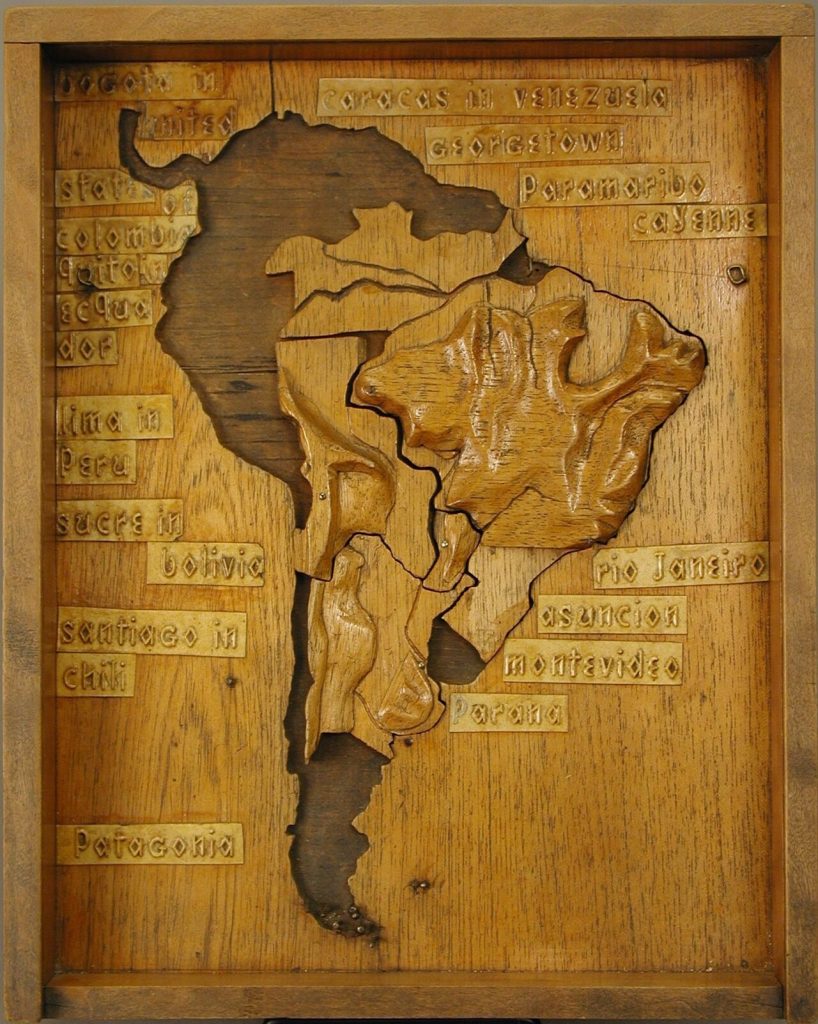
The free Callahan Museum, located on the APH campus at 1839 Frankfort Avenue, is where the story becomes tangible. The collection is extraordinary: vintage braille writing slates, early tactile maps, talking book machines that date back to the 1930s, educational toys, and even an antique printing press that once produced materials for students who had never been able to hold a standard book. Display cases are full of artifacts that tell a story most history books overlook entirely — the long, patient fight to make knowledge accessible to everyone.
What makes this visit genuinely memorable, though, is the interactive element. You can sit down and try reading braille for yourself. You can handle tactile illustrations that translate images into raised-line drawings a reader can trace with their fingertips. Educators on staff are patient and enthusiastic, and they have a gift for making you feel like a curious student rather than a passive tourist. The experience of running your fingers across a page of braille and recognizing that each tiny cluster of dots represents a letter — that moment of connection — is something that stays with you.
The museum is free and open to the public, which makes it one of the great underappreciated gifts this city offers. It is appropriate for all ages, and families with children will find that kids respond with genuine wonder rather than polite tolerance. Plan to spend about an hour, though you may find yourself lingering longer than expected.
Clifton itself is a walkable, charming neighborhood with coffee shops and restaurants nearby, so it folds easily into a broader afternoon. But honestly, the APH is reason enough to make the trip on its own. Some places remind you that Louisville has always punched above its weight when it comes to history that matters — this is one of them.