There are places you visit, and then there are places that stay with you long after you have walked back out the front door. The Hayti Heritage Center, tucked into the heart of Durham’s historic Hayti neighborhood on Fayetteville Street, is firmly in that second category. From the moment you step through the doors of what was once St. Joseph’s AME Church — a breathtaking 1891 Romanesque Revival structure — you feel the weight and the warmth of a community that refused to be erased.
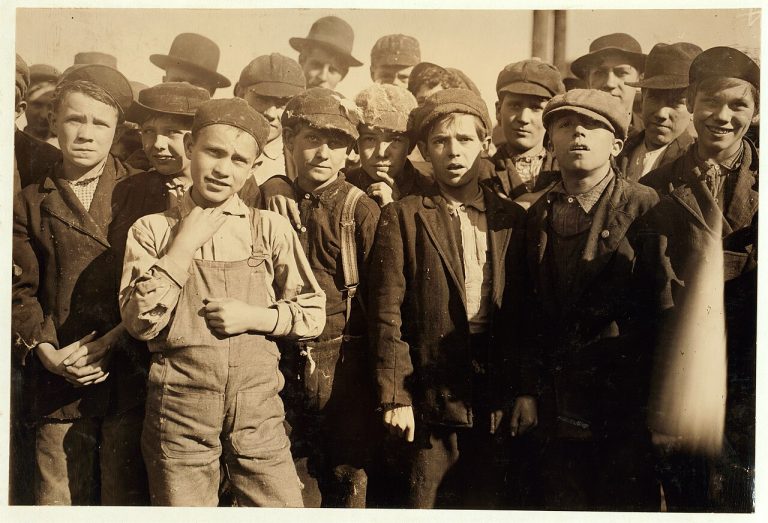
Durham’s Hayti district was once called the “Black Wall Street of the South,” a thriving hub of African American commerce, culture, and civic life in the late nineteenth and early twentieth centuries. Urban renewal projects in the 1960s and 70s dismantled much of that neighborhood, but the Hayti Heritage Center stands as a living monument to everything that was built here and everything that endures. Walking through its galleries feels less like touring a museum and more like having a long, illuminating conversation with the city itself.
The center rotates exhibitions throughout the year, blending visual art, photography, and historical artifacts to tell the layered story of African American life in Durham and across the South. One visit might find you standing before a striking collection of contemporary paintings; the next, you are poring over archival photographs that document Hayti at its commercial peak. The programming team does a remarkable job of connecting past and present, so nothing ever feels dusty or disconnected from today.
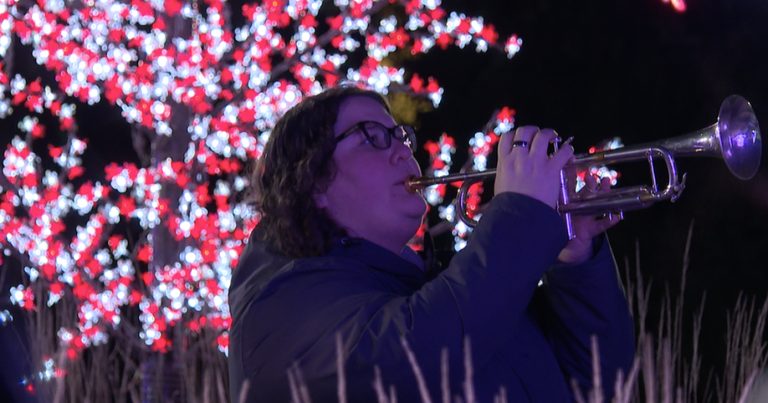
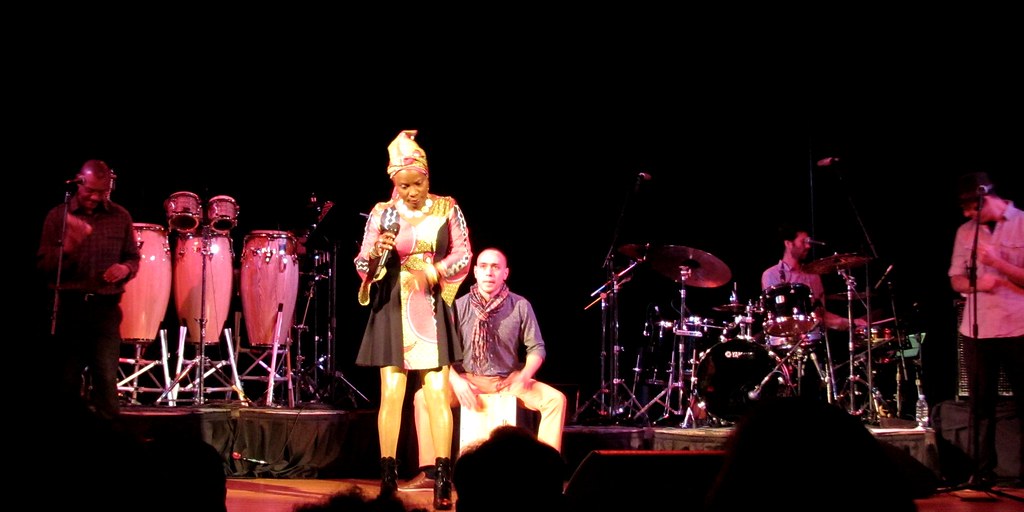
What truly sets the Hayti Heritage Center apart, though, is its role as a living cultural venue. The main sanctuary — with its original vaulted ceilings and warm wood tones — hosts concerts, theatrical productions, film screenings, and community events throughout the year. Catching a live jazz performance or a spoken word evening inside that sanctuary is the kind of experience that reminds you why live arts matter. The acoustics alone are worth the trip.
Parking is easy, the staff is genuinely welcoming, and admission is affordable, often free for certain exhibitions. It is the sort of place where you plan to spend an hour and find yourself still there two hours later, deep in conversation with a docent or a fellow visitor who turned out to share your exact curiosity about Durham’s past.
If you are building a Durham itinerary and you care about history, art, music, and the kind of authentic community spirit that no guidebook can manufacture, do yourself a favor and put the Hayti Heritage Center at the top of your list. Durham’s story does not fully make sense without it — and once you visit, neither does skipping it.