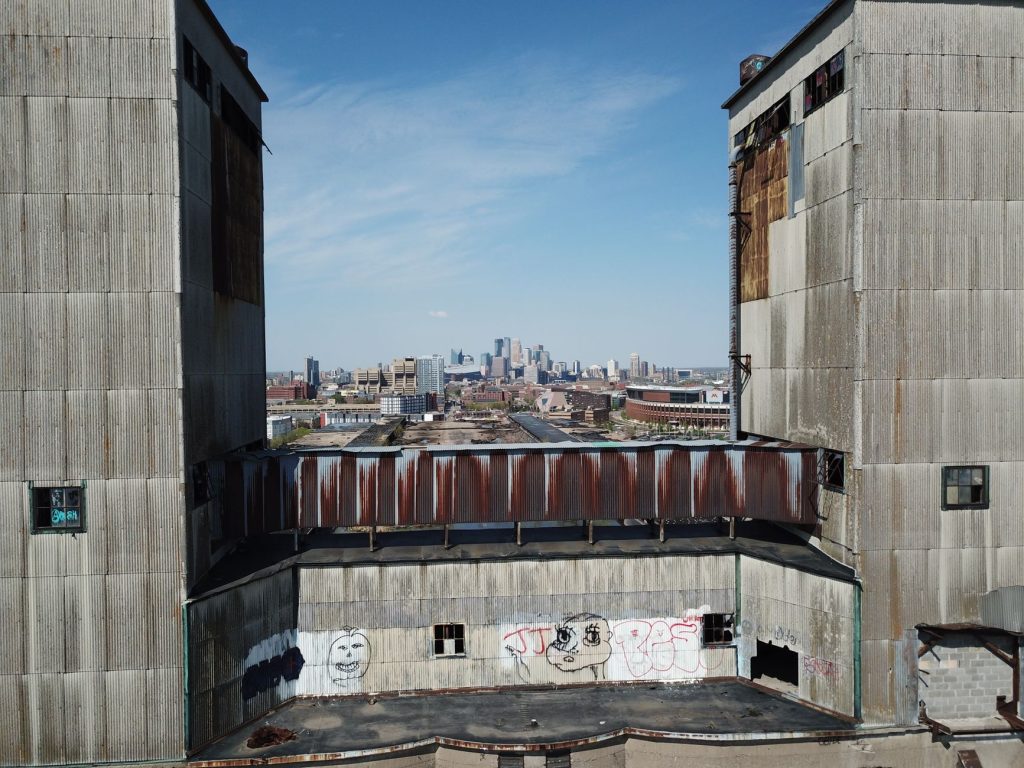
There is a building in Northeast Minneapolis that used to make caskets. Today, it makes art. That pivot alone should tell you everything you need to know about the creative metabolism of this city — and the Casket Arts Building, tucked along the industrial stretch of University Avenue NE, is one of the most alive places I have ever walked into.
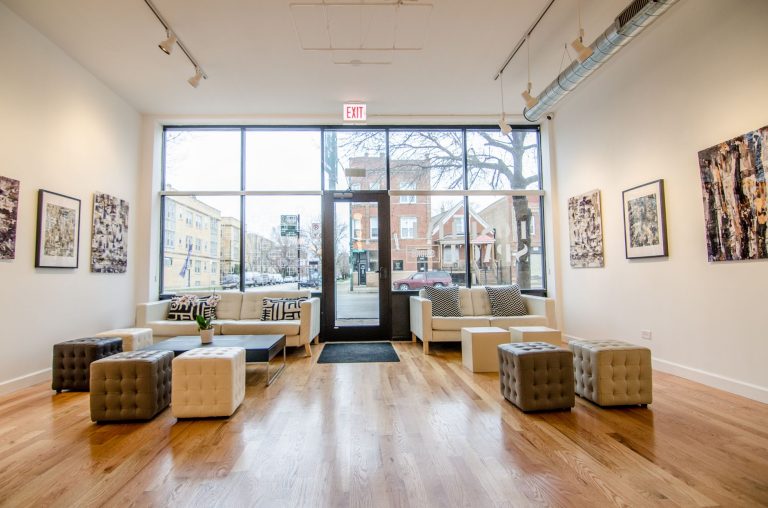
The building dates to the early twentieth century, when the Northwestern Casket Company operated out of this sprawling, brick-hulled complex. The bones of that industrial past are still very much present: exposed timber beams, freight elevators worn smooth by decades of use, concrete floors that echo with every footstep. But instead of workshop machinery, the spaces now hum with the activity of working artists — painters, printmakers, ceramicists, photographers, textile artists, and sculptors, all of them leasing studios and making serious work inside these walls.
What makes Casket Arts different from a typical gallery crawl is that this is not a showroom. It is a working studio building, and when the doors open for one of the quarterly Open Studio events, you are walking into the actual spaces where the art gets made. You see the reference photos pinned above the easel, the coffee-stained sketches tacked to the wall, the half-finished canvas that might become something extraordinary. Artists are present, usually willing to talk, and the conversations that come out of those encounters are often more memorable than anything hanging in a white-cube gallery downtown.
The Open Studio events draw a genuinely mixed crowd — seasoned collectors hunting for their next acquisition, curious neighbors who wandered over from the Bauhaus Brew crowd a few blocks away, first-timers who have never set foot in an artist’s studio before. Everyone is welcome. There is no velvet rope, no intimidating price list, no pressure. Bring your curiosity and a little time, because the building has three floors and dozens of studios, and you will want to linger.
Northeast Minneapolis has long been the city’s most art-dense neighborhood, but Casket Arts sits at a particularly interesting crossroads of accessibility and authenticity. This is not a pop-up. These artists live and work here year-round, invested in the building and in each other. Several have been tenants for over a decade. That kind of long-term creative community produces a different kind of energy than a rotating gallery — more rooted, more honest, more interesting to encounter.
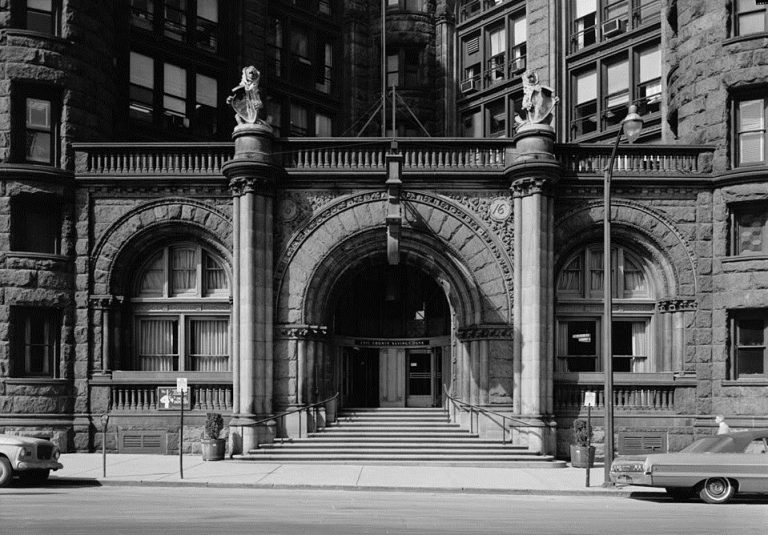
If you visit outside of an open studio weekend, the exterior alone is worth the trip. The red brick, the tall factory windows, the industrial lettering — it photographs beautifully, and the surrounding blocks of Northeast have enough coffee shops, bars, and restaurants to build a full afternoon around.
Minneapolis does not always trumpet its creative infrastructure the way other cities do. But places like Casket Arts are exactly why artists keep choosing to live and work here. Go see for yourself what a century-old casket factory can become when a city decides to invest in what its people make.