There are museums you visit, and then there are places that pull you in through the front door and simply refuse to let you leave. The American Swedish Institute, tucked into the Whittier neighborhood of Minneapolis just south of downtown, falls firmly into that second category. From the moment you set foot on the grounds, you understand that something genuinely extraordinary is happening here — and it has been happening for over a century.
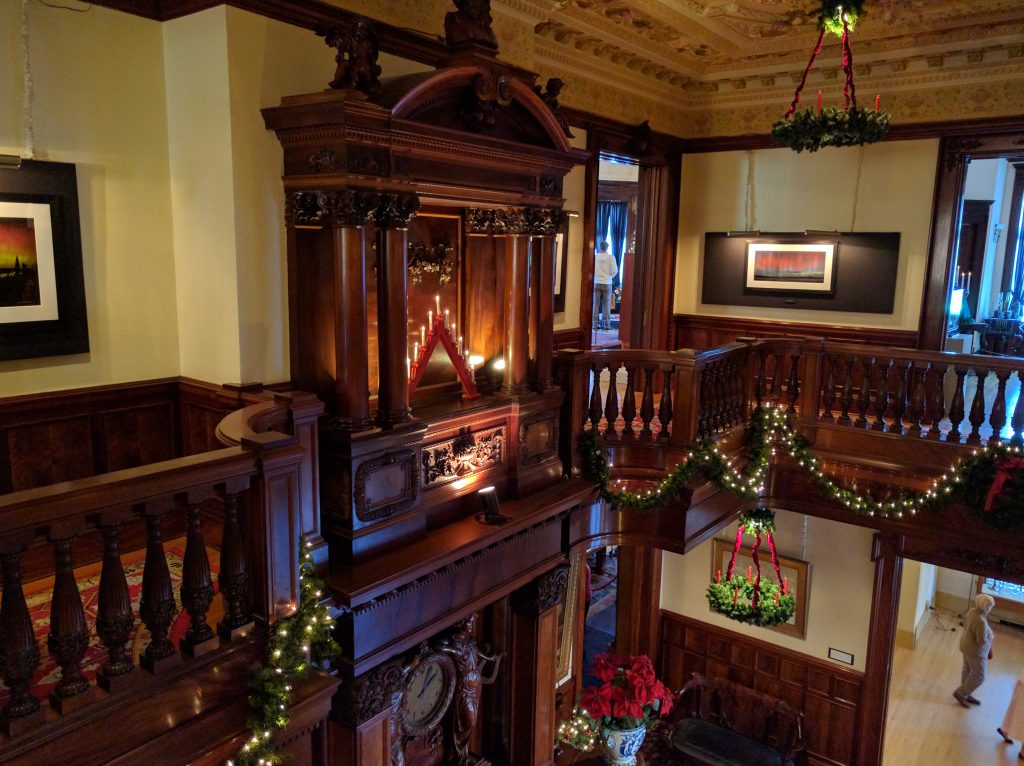
The centerpiece of the campus is the Swan J. Turnblad Mansion, a 33-room castle of sorts built in 1908 by a Swedish immigrant who made his fortune in the newspaper business. Turnblad spared absolutely nothing. The interior is a showcase of hand-carved woodwork, intricate tile, and eleven ceramic tile stoves — called kakelugnar — that are among the finest examples of this traditional Scandinavian craft anywhere in North America. Walking through these rooms doesn’t feel like touring a house museum frozen in amber. It feels like being let in on a family secret, like you’ve somehow earned access to spaces that most of the world doesn’t know exist.
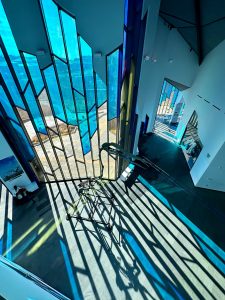
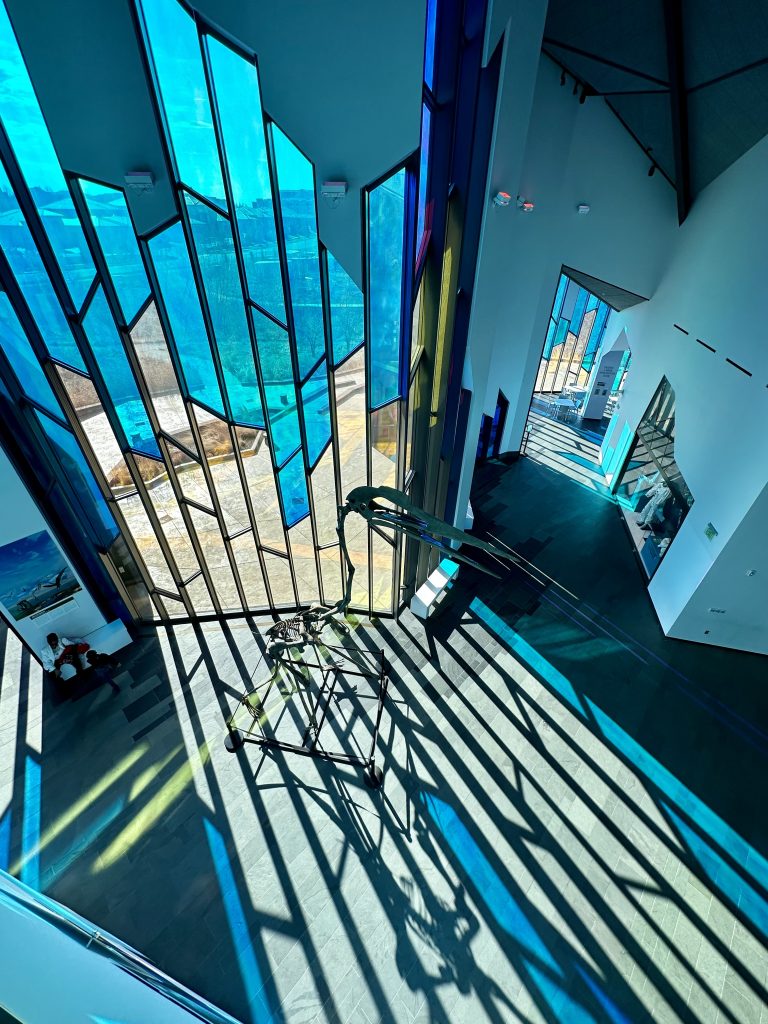
The newer wing, the Nelson Cultural Center, opened in 2012 and provides a beautifully contemporary counterpart to the Victorian grandeur next door. Together they house rotating exhibitions that explore Scandinavian art, design, craft, and the immigrant experience — with a sharpness and depth that will surprise you even if you arrive with high expectations. The curation here is thoughtful and human-scale, never overwhelming.
What makes the American Swedish Institute feel different from so many cultural institutions is the warmth of the place. It doesn’t feel like a repository. It feels alive. The on-site restaurant, FIKA — named for the beloved Swedish tradition of slowing down for coffee and conversation — is reason enough to plan a visit on its own. Whether you pull up a seat for a cardamom bun and a well-made cup of coffee on a cold Minneapolis afternoon, or linger over a proper meal, FIKA delivers that rare combination of excellent food and genuine atmosphere. The space is bright, the menu changes with the seasons, and the open kitchen gives the whole room an easy, convivial energy.
Special events run throughout the year, from Midsommar celebrations to holiday markets that draw crowds from across the Twin Cities. The annual Julmarknad — a traditional Swedish Christmas market — transforms the grounds into something straight out of a Nordic village and has become one of the most anticipated winter events in the city.
General admission is affordable, the parking situation on the surrounding streets is manageable, and the Whittier neighborhood itself is worth exploring before or after your visit. Plan to spend at least two hours here. You will want them. This is Minneapolis at its most quietly magnificent, and it deserves every bit of your attention.