There are places you visit, and then there are places that visit you long after you leave. McLeod Plantation Historic Site, tucked quietly on James Island just minutes from downtown Charleston, is firmly in the second category. I walked onto these grounds on a bright October morning and walked off a different person — more informed, more moved, and more grateful for stories that refused to be buried.
Operated by Charleston County Parks, McLeod Plantation sits on 37 acres of moss-draped landscape along the banks of Wappoo Creek. The property dates to the 1850s and, unlike many antebellum sites that center their narratives on the planter class, McLeod has made a deliberate and powerful choice: this place tells the story of the enslaved Africans and their Gullah Geechee descendants who lived, labored, and built their own rich culture here. That decision alone sets it apart from virtually anything else you will find in the Lowcountry.
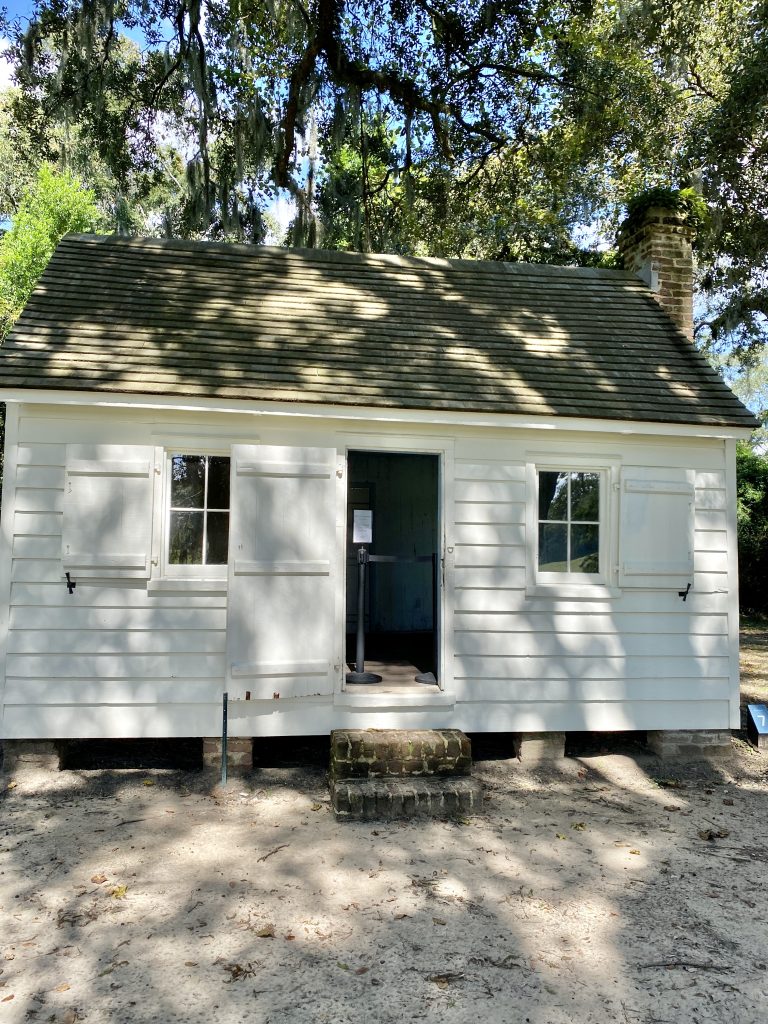
The centerpiece of any visit is the guided tour led by the site’s incredibly knowledgeable interpreters. Ours began at the Avenue of Oaks — a cathedral-like canopy of ancient live oaks draped in Spanish moss that opens onto the main house and a row of preserved slave cabins. Those cabins are not recreations. They are original structures, and standing inside one, listening to your guide explain the ingenuity and resilience of the families who made a home within those walls, is something words struggle to fully capture.
The interpretation here is nuanced and honest. You will learn about the Gullah Geechee people — a distinct African American cultural group whose language, food traditions, spiritual practices, and artisanship survived centuries of oppression and remain alive in the Lowcountry today. Basket weaving, ring shout traditions, the Creole-influenced language — your guide weaves these threads together with patience and depth that you simply will not get from a pamphlet or a roadside marker.
The grounds themselves are beautiful in that distinctly haunting Lowcountry way. Great blue herons drift over the tidal creek. The light filters through the oaks in long golden shafts. But the beauty and the weight of the history exist together here, and the site invites you to hold both without flinching.
Plan to spend at least two hours. Tours run on a set schedule, so check the Charleston County Parks website before you go and book your tickets in advance — this site draws visitors from around the world and spots fill up, especially on weekends. Admission is modest, the parking is easy, and the experience is genuinely unlike anything else Charleston offers.
James Island is an easy ten-minute drive from the peninsula, making McLeod a completely natural addition to any Charleston itinerary. Come with an open mind, comfortable shoes, and the willingness to listen. You will leave with a deeper understanding of this city, this culture, and this extraordinary corner of America.