There is a moment, somewhere between the lion house and the giant panda habitat, when the noise of the city completely disappears. You are standing on a gently sloping path in upper Northwest D.C., surrounded by old-growth trees, listening to a red wolf pace quietly behind a fence, and it occurs to you that you are not just at a zoo — you are inside one of the most thoughtfully curated wildlife experiences in the entire country. Welcome to the Smithsonian National Zoo, a place I return to every single season and never tire of.
Tucked into the verdant folds of Rock Creek Park along Connecticut Avenue NW, the National Zoo spans 163 acres of rolling terrain that feels more like a nature preserve than a traditional urban zoo. And because it is part of the Smithsonian Institution, admission is completely free. That is not a typo. You walk through those gates without spending a dime, and what greets you is a world-class collection of more than 2,700 animals representing roughly 390 species. The value here is genuinely staggering.
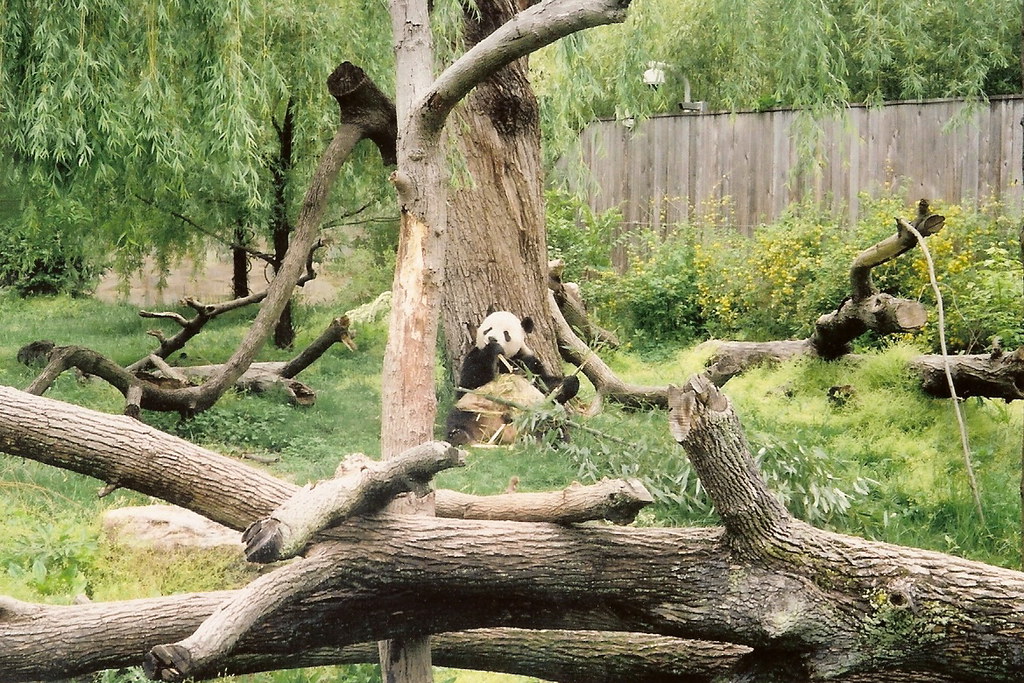
Start your visit at the Great Cats exhibit, where Sumatran tigers lounge with an almost regal indifference to your presence. From there, make your way toward Asia Trail, a winding path that guides you past sloth bears, clouded leopards, fishing cats, and — if you time it right — the zoo’s beloved giant pandas. The panda habitat is one of those rare spots in D.C. where you will see hardened adults pressing their faces against the glass like children on Christmas morning.
The Elephant Community Center is another highlight not to be overlooked. The zoo’s Asian elephant program is among the most respected in North America, and the outdoor yard gives these magnificent animals substantial room to roam, socialize, and engage with enrichment activities. Watching them interact with their keepers during a demonstration is both joyful and quietly moving.
For families traveling with younger children, the Kids’ Farm section offers hands-on encounters with goats, donkeys, and other domestic animals, while the Reptile Discovery Center provides a crash course in cold-blooded creatures that will leave even the most reluctant visitor genuinely fascinated. The Amazon exhibit, meanwhile, transports you into a recreation of a tropical rainforest complete with free-flying birds and razor-toothed piranha tanks.
Plan to arrive early on weekday mornings if you want breathing room — weekends draw significant crowds, especially in spring when the grounds are splashed with blooming cherry trees and the energy in the air is electric. The zoo’s café options are solid for a quick lunch, but packing your own picnic and claiming a shaded bench near the bird house is the move of a seasoned visitor.
What keeps me coming back, beyond the animals themselves, is the zoo’s genuine commitment to conservation science. The Smithsonian Conservation Biology Institute conducts breeding programs for endangered species worldwide, and that mission is woven into every exhibit, every keeper talk, every interpretive panel. This is not just a place to look at animals. It is a place that is actively working to ensure those animals have a future.
Whether you are a first-time visitor to Washington D.C. or a longtime resident who somehow has not made the trip up Connecticut Avenue recently, the National Zoo deserves a full day of your attention. Wear comfortable shoes, bring water, and prepare to be reminded that the natural world is, in every sense, extraordinary.