There is a particular kind of pleasure that comes from walking into a place and realizing it is going to be far more interesting than you expected. That is exactly what happened to me the first time I pushed open the doors of the New Haven Museum on Whitney Avenue, tucked into the Whitney/Audubon Arts District just a short stroll from the Yale campus. I had told myself I would stay for forty-five minutes. I stayed for nearly three hours.
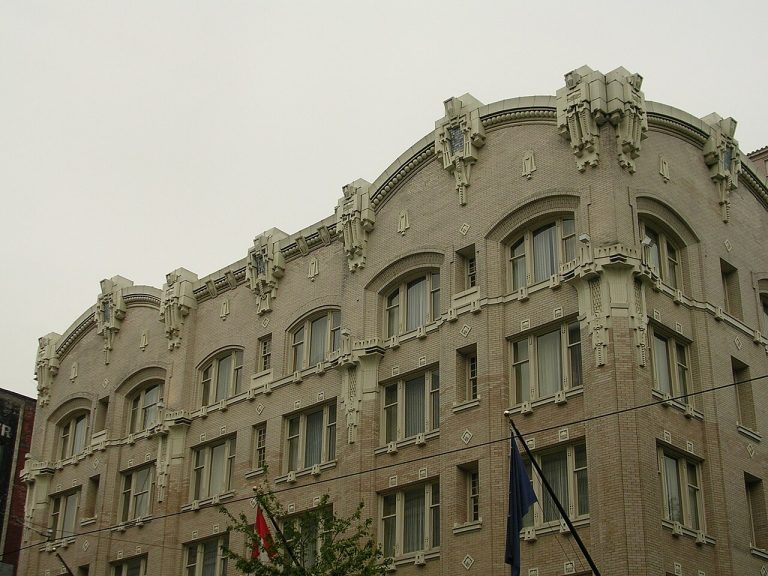
The New Haven Museum is one of those institutions that locals walk past a hundred times without stepping inside, and that is genuinely their loss. Founded in 1862, the museum holds the story of one of America’s most consequential cities — a place that gave the world the cotton gin, the first hamburger on a bun, the telephone switchboard, and some of the most fiercely contested moments in civil rights history. The building itself, a dignified 1930s structure with gorgeous reading-room energy, sets the tone perfectly: serious but welcoming, grand but never cold.
The permanent collection spans more than 130,000 objects, photographs, maps, and documents. You can stand in front of a hand-drawn map of New Haven’s famous nine-square street grid, one of the earliest planned cities in America, and suddenly the whole layout of the streets you have been walking clicks into place. There are portraits of New Haven’s founding families, artifacts from the Amistad case — the landmark 1839 freedom trial that unfolded right here in New Haven’s federal courthouse — and rotating galleries that connect the city’s industrial past to its vibrant creative present.
What makes this museum genuinely special is the intimacy of the experience. Unlike larger institutions where you can feel lost in the scale of everything, the New Haven Museum is sized for real discovery. The staff are enthusiastic and knowledgeable, the kind of people who will notice what you are lingering over and offer a story you could not have found in any caption. I spent a long time in the gallery dedicated to New Haven’s once-thriving carriage industry, and a volunteer walked me through how that manufacturing legacy quietly shaped the city’s neighborhoods — information that changed how I saw the entire Wooster Square area on my walk home.
The Pardee-Morris House, an 18th-century farmhouse that the museum also stewards, is worth planning a separate visit around in warmer months. But the Whitney Avenue building alone is more than enough reason to make a detour.
Admission is a suggested donation of five dollars, which feels almost embarrassingly reasonable for what you get. The museum is open Tuesday through Friday from ten in the morning to five in the afternoon, and Saturdays from noon to five. Parking is available on the street and in nearby lots, and the location is easily walkable from the Green or the Orange Line’s Whalley Avenue stops.
New Haven has a habit of hiding its best things in plain sight. The New Haven Museum is one of them. Go before you convince yourself you already know this city well enough — because I promise, you do not yet.