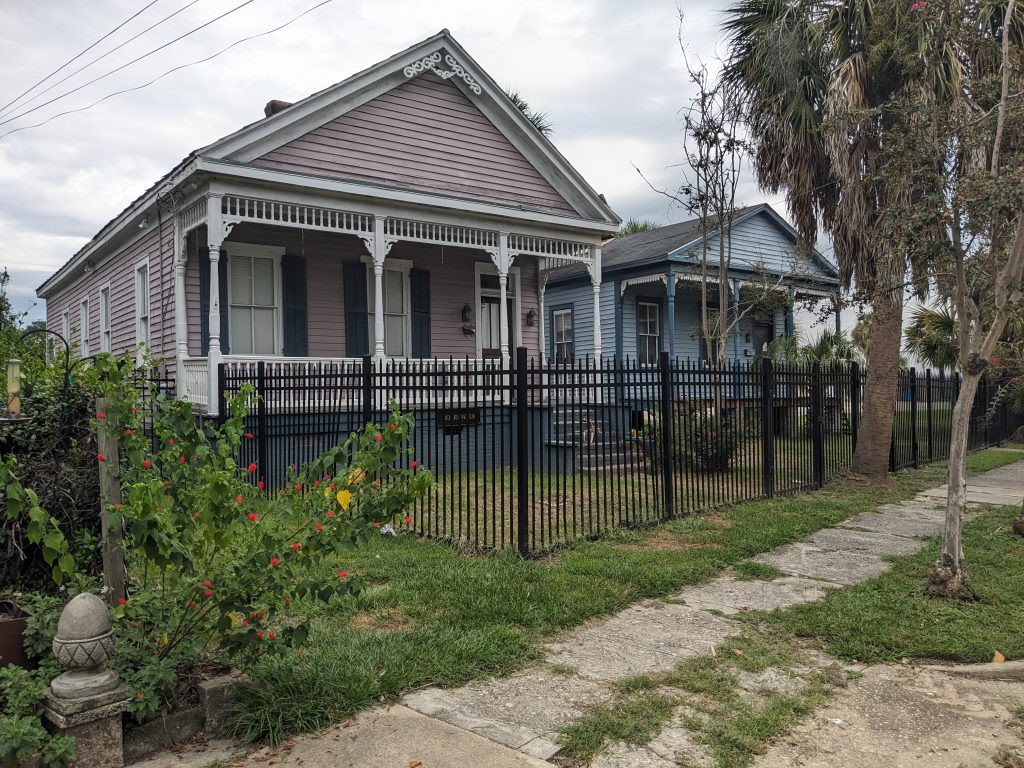
There is a neighborhood in Mobile that stops you mid-stride and makes you forget whatever was on your mind. Old Dauphin Way Historic District, stretching along Dauphin Street from downtown toward Midtown, is one of those places that feels like the city exhaled and decided to show you its most graceful self. Canopied live oaks arch over wide sidewalks, Victorian cottages sit shoulder to shoulder with Craftsman bungalows, and the whole streetscape carries the kind of quiet dignity that only a century or two of careful living can produce.
I first wandered into Old Dauphin Way on a clear October morning, purely by accident, following the shade of those cathedral oaks rather than any particular plan. Within two blocks I had stopped four times to photograph a turret here, a wraparound porch there, a door painted the precise shade of indigo that no interior designer could ever quite replicate. The district is listed on the National Register of Historic Places, and it earns that designation not through a single showpiece but through sheer, consistent architectural beauty that runs block after block.
What makes this neighborhood special beyond its looks is how genuinely alive it remains. These are not museum houses behind velvet ropes. Families live here, dogs patrol the porches, and a cyclist will glide past you as naturally as if the year were 1920. The district anchors Midtown Mobile, a walkable pocket of the city that rewards slow movement. Dauphin Street itself transitions from the residential corridor into a lively commercial stretch lined with independent boutiques, coffee shops, galleries, and restaurants that draw locals year-round.
For architecture enthusiasts, the variety on display is a genuine education. You will spot Italianate brackets above second-story windows, Queen Anne spindlework along porch railings, and the broad, sheltering eaves of the American Foursquare style, all within a comfortable half-mile walk. Grab a free walking tour map from the Mobile Historic Development Commission’s website before you go, and you will have enough context to appreciate what you are seeing rather than simply admiring paint colors.
Spring is an extraordinary time to visit. The azaleas that line many of the front gardens explode into color each March and April, transforming already handsome streets into something bordering on theatrical. Mobile’s famous Azalea Trail runs through this district for good reason. But honestly, any season rewards a visit. Summer evenings bring porch-sitters out, fall light gilts the oak canopy gold, and winter strips the occasional deciduous tree to reveal the architecture in its purest form.
Plan to spend at least a leisurely two hours on foot. Wear comfortable shoes, bring a water bottle, and leave your itinerary loose. Old Dauphin Way is the kind of place that hands you small surprises around every corner, and the best thing you can do is stay present enough to receive them. Mobile has tremendous set-piece attractions, but this neighborhood is something rarer: a living, breathing portrait of the city at its most authentically itself.