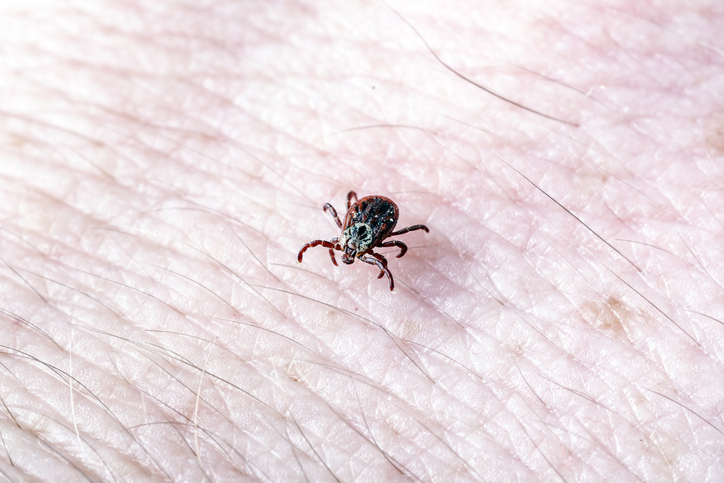
As the warmer months approach in Indiana, families are spending more time outdoors, increasing the likelihood of encountering ticks. These small, blood-feeding arachnids can transmit diseases to humans and animals, making prevention crucial.
Understanding the Risks
Ticks are active from late spring to early fall, aligning with the seasons when people are most likely to be outside. Heather Lents, Advanced Practitioner Lead with Community-GoHealth Urgent Care, emphasizes the importance of prevention to keep families safe. “Prevention is the best thing that you can do to keep you and your family safe,” she advises.
Climate change has contributed to ticks living longer and expanding their habitats. Milder winters allow ticks to survive and remain active for extended periods. As their food sources, such as mice and deer, increase, so does the tick population.
Tick-Borne Illnesses
Indiana ranks 16th in the nation for Lyme disease cases, with 167 reported in 2023. While this is lower than the national average, it’s still a significant concern. Alpha-gal syndrome, another tick-borne illness, is also on the rise. This allergic reaction occurs after being bitten by the lone star tick and can lead to severe reactions when consuming red meat.
Diagnosing tick-borne illnesses can be challenging, as symptoms often resemble those of general viruses. Fever, body aches, and chills are common, making it easy for practitioners to overlook the possibility of a tick bite unless explicitly mentioned by the patient.
Prevention Tips
To avoid ticks, Lents recommends staying on trails and avoiding deep brush or tall, grassy areas where ticks tend to congregate. If bitten, it’s important to remove the tick promptly to reduce the risk of disease transmission. Lents encourages individuals to attempt removal at home but advises seeking professional help if necessary.
By taking these precautions, families in Indiana can enjoy the outdoors while minimizing the risks associated with ticks.
Original reporting: 93.1 WIBC (Indianapolis) — read the source article.