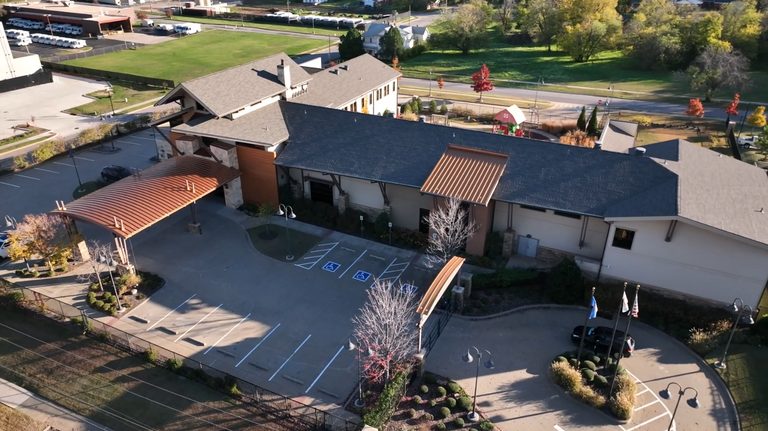
There is a moment, about ten minutes into your visit to the Stax Museum of American Soul Music, when the music wraps around you so completely that you forget you are standing in a museum at all. You are simply inside the sound — Otis Redding’s voice filling the room, Isaac Hayes’s chrome-plated Cadillac gleaming under the lights, the ghost of a Memphis summer afternoon humming through the walls. That moment is why people drive hours to reach this corner of South Memphis, and it is why they leave talking about it for years.
The museum sits at 926 East McLemore Avenue in the Soulsville neighborhood, on the very ground where Stax Records operated from 1957 to 1975. This was not just any record label. Stax was the sound of a generation — the home of Otis Redding, Booker T. and the MGs, the Staple Singers, Albert King, Sam and Dave, and so many others whose recordings rewired American music permanently. The original studio burned down decades ago, but in 2003 the museum rose from that same plot of land, rebuilt from the ground up as a living tribute to everything that happened here.
Walking through the front doors, you are greeted by the actual wooden floor from the original recording studio, salvaged and preserved so that you are literally standing where the musicians stood. That detail alone sets the tone for everything that follows. This place is not content with photographs behind glass. It wants you to feel the history under your feet.
The collection spans more than 2,000 artifacts — handwritten lyrics, original concert costumes, vintage instruments, rare photographs, and stage gear that looks like it just came off a tour bus. Isaac Hayes’s 1972 gold-trimmed, peacock-blue Super Fly Cadillac El Dorado stops just about everyone in their tracks. It is outrageous and magnificent and somehow completely appropriate for a man who recorded “Shaft” in this city.
Throughout the galleries, the music never stops. Curated playlists and audio stations keep the catalog alive around you, and the whole experience feels more like a concert than a conventional museum visit. There is a recreation of the original studio control room and a gospel-focused gallery that traces the deep spiritual roots feeding into everything Stax ever recorded. The connections drawn between church music, blues, and soul feel revelatory even if you already thought you knew the story.
Plan to spend at least two hours here, and do not rush it. The Soulsville neighborhood itself has a proud, working-class character worth absorbing, and the Soulsville Charter School campus next door is a reminder that this community is still investing in what music can do for young people.
Admission is modest, the staff is genuinely enthusiastic, and the gift shop carries music and merchandise you will not find anywhere else in the city. Come for the history, stay for the feeling — because Stax, even now, has a way of getting into your chest and staying there long after you have driven back to wherever you came from.