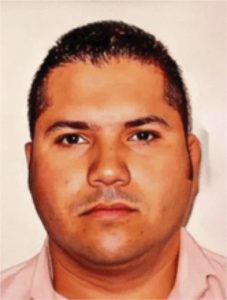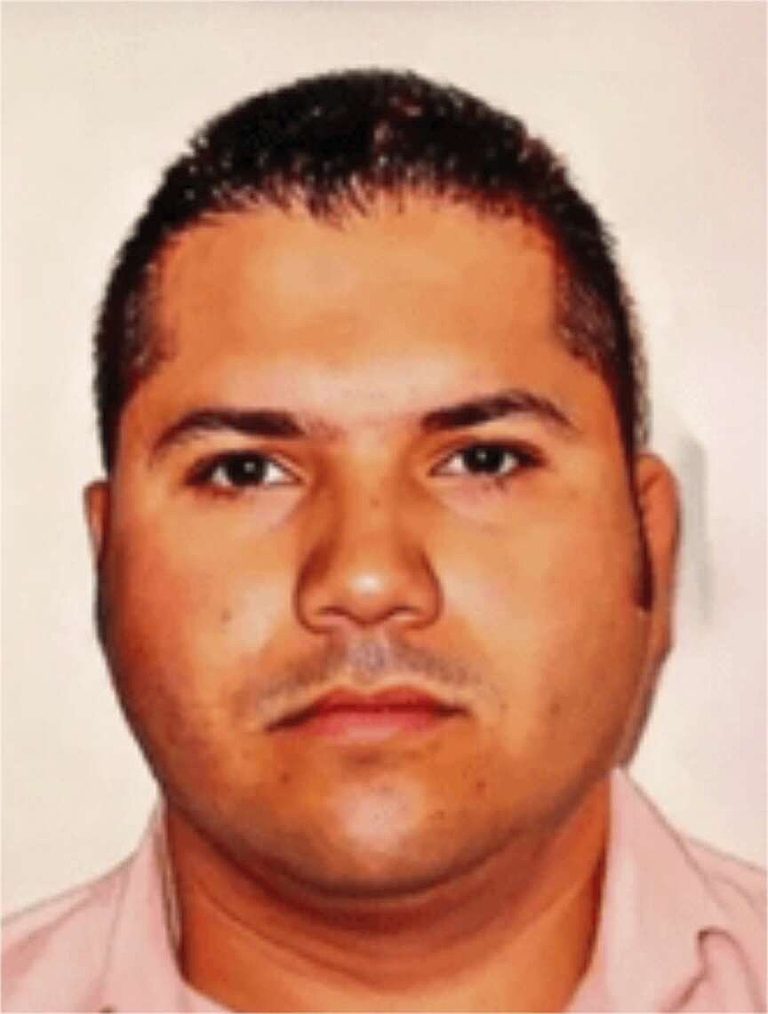
Guasave, Sinaloa – Mexican security forces captured notorious cartel leader Fausto Isidro Meza Flores, known as “El Chapo Isidro,” early Saturday following a violent shootout that claimed at least 11 lives, including seven suspected cartel gunmen and four Mexican soldiers.
Operation and casualties
Heavy gunfire, helicopters and burning trucks dominated the city’s streets Friday night as authorities moved in on Meza Flores. Residents reported hearing explosions and seeing armed men firing from the air and ground. The Defense Ministry confirmed that the firefight began around 7 p.m. and continued into the early hours of Saturday.
According to officials, the operation resulted in the deaths of seven alleged cartel gunmen and four soldiers. An additional eight people, including Meeda Flores and his No. 2, were detained and later flown to Mexico City for prosecution.
U.S. intelligence assistance
Mexico’s government said intelligence supplied by the Trump administration was instrumental in locating Meza Flores. While details of the coordination remain limited, the statement underscores the continued partnership between the United States and Mexico in combating transnational criminal organizations.
The Trump administration previously designated the Beltrán Leyva cartel and its offshoots, including the Meza‑Flores Transnational Criminal Organization, as foreign terrorist organizations. A $5 million reward was offered for information leading to Meza Flores’ arrest.
Impact on the cartel landscape
Meza Flores rose through the ranks of the Beltrán Leyva cartel before forming his own group and aligning with “Los Mayos,” a faction of the Sinaloa Cartel. His capture is a significant blow to the cartel’s leadership structure, though experts caution that removing a single capo can trigger further violence as rival factions vie for control.
Security analyst David Saucedo noted that the “kingpin” strategy, while effective at removing high‑profile leaders, often leaves the broader network of hit men, street‑level dealers and corrupt officials intact, potentially fueling new power struggles.
Local fallout
Guasave residents described a night of terror as gunfire echoed across the city. Local journalist Alma Camacho said the fighting “spread throughout the city,” with civilians fleeing a baseball game and seeking shelter in grocery stores.
Firefighter Paola Sánchez reported that many businesses, including several Oxxo convenience stores, were burned. Burned trucks lined the highway into town, and roadblocks of flaming vehicles impeded traffic for hours.
Mexican Security Secretary Omar García Harfuch posted on X that armed forces would remain deployed in Sinaloa to protect civilians, lamenting the loss of the four soldiers.
Political context
The capture comes as Mexican President Claudia Sheinbaum faces pressure from President Trump to intensify the crackdown on organized crime. Sheinbaum’s administration has pursued a more aggressive stance against illegal groups, and homicide rates have reportedly declined during her tenure.
U.S. Ambassador Ronald Johnson praised the joint effort, stating, “Results like these don’t happen overnight. They are built on sustained cooperation and trust. This is what partners can accomplish together.”
Looking ahead
While the operation marks a tactical victory, analysts warn that the underlying cartel infrastructure remains robust. Continued collaboration between U.S. and Mexican authorities will be essential to sustain pressure on criminal networks and prevent a resurgence of violence in Sinaloa.
Original reporting: Texarkana Gazette — read the source article.