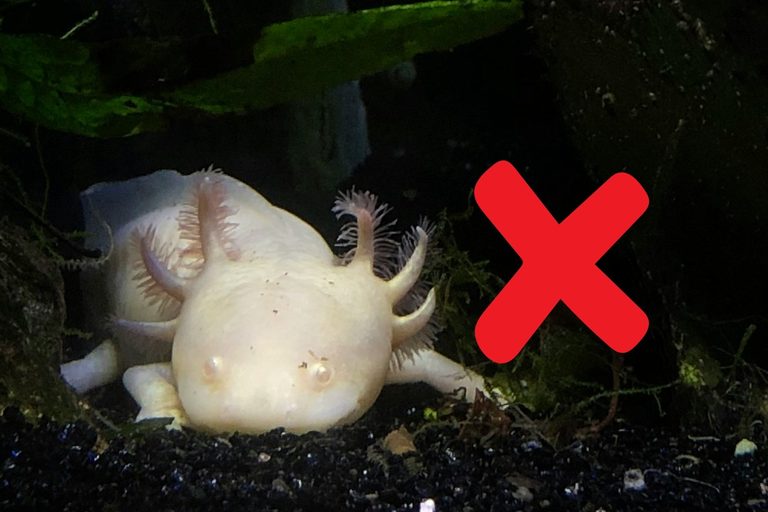
Axolotls, the smiling salamanders that have become popular in video games and online pet‑keeping circles, are legal to keep in most of the United States. However, a handful of jurisdictions have placed restrictions on ownership because of concerns about environmental impact if the animals escape into the wild.
States with outright bans
According to the specialty website Axolotl Central, the following states prohibit private ownership of axolotls without a special exemption:
- California
- Maine
- New Jersey
- The District of Columbia
Officials in these areas cite the potential for severe ecological damage should an axolotl be released. In California, for example, the state’s strict invasive‑species laws are designed to protect native waterways from non‑native organisms that could outcompete local fish and amphibians.
States that require permits
New Mexico and Hawaii do not ban axolotls outright, but they do require owners to obtain a permit before keeping the animal. The permitting process is intended to ensure that owners understand the responsibilities of caring for a species that is both exotic and vulnerable in the wild.
Why the restrictions matter
Axolotls are native to a handful of lakes in the Mexican state of Puebla, most notably Lake Xochimilco. Habitat loss and urban expansion have dramatically reduced their numbers, prompting conservationists to label the species critically endangered. Because of this fragile status, many wildlife agencies treat any potential release as a serious threat to both the axolotl’s survival and local ecosystems.
In addition to legal considerations, caring for an axolotl demands a significant commitment. Axolotl Central advises prospective owners to maintain water temperatures below typical room temperature, feed the animals with tongs to avoid accidental ingestion, and clean waste using a turkey baster or similar tool. The specialized care requirements, combined with the legal restrictions in several states, mean that interested hobbyists should research both the law and the animal’s needs before acquiring one.
What to do if you live in a restricted area
Residents of California, Maine, New Jersey, or the District of Columbia who are drawn to the axolotl’s unique appearance should consider alternative ways to enjoy the species, such as purchasing a plush toy or supporting reputable conservation programs that work to protect wild populations in Mexico.
For those in New Mexico or Hawaii, the first step is to contact the appropriate state wildlife agency to learn about the permit application process. Failure to obtain the required permit can result in fines or the seizure of the animal.
Conclusion
While axolotls continue to capture the imagination of gamers, educators, and pet enthusiasts, prospective owners must respect state regulations designed to safeguard both the animal and local environments. Checking local laws and preparing for the care responsibilities are essential steps before bringing an axolotl into the home.
Original reporting: K2 Radio (Casper) — read the source article.