Residents of Boyle Heights and surrounding Los Angeles neighborhoods have received a modest win: the California Department of Toxic Substances Control (DTSC) announced it will retest hundreds of homes that were previously cleaned after the Exide battery‑smelting plant shut down in 2015.
Background on the Exide site
Exide operated a battery‑recycling facility that emitted lead and arsenic for decades. The plant closed in 2015, but soil contamination remains a legacy issue for nearby homes. The DTSC identified a 1.7‑mile radius around the plant as the most impacted zone.
Past cleanup efforts
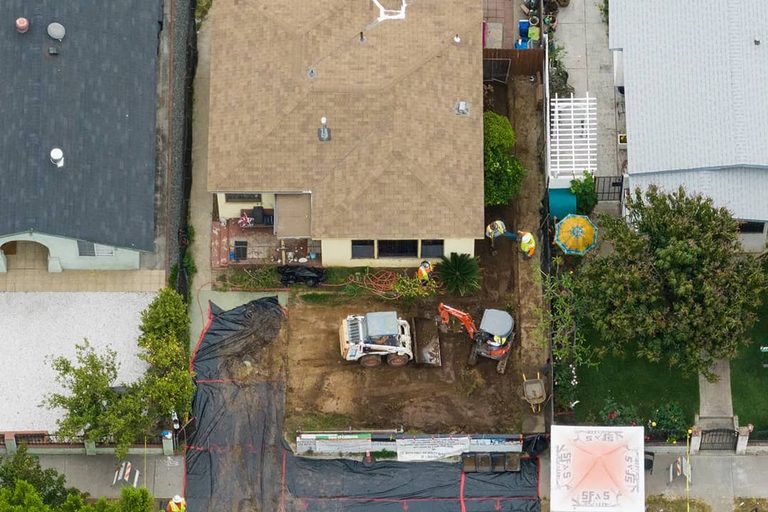
Since 2017 the state has undertaken what it calls the largest residential remediation effort in California history. Contractors excavated contaminated soil, typically in 6‑inch increments down to about 18 inches, and backfilled with clean fill. However, obstacles such as tree roots, utility lines, and homeowner concerns have limited digging depth.
In 2019, a contractor removed 48 tons of soil from the home of longtime resident Karen Noga and certified the site clean, yet subsequent testing still showed lead levels between 104 and 240 parts per million (ppm), well above the state’s “level of concern” of 80 ppm. The federal screening threshold is 200 ppm, but the state’s stricter standard is intended to protect pregnant people, unborn children, and young families.
Why retesting matters
State officials have known since at least 2023 that many properties still contain high lead levels after cleanup. A 2023 Los Angeles Times report documented that at least 559 state‑led cleanups had failed to fully remove contaminated soil, often because digging could not go deeper than 18 inches.
DTSC program manager Mehdi Bettahar explained that “we can’t dig under a house, we can’t dig under a sidewalk, we cannot dig under trees that are older than, believe it or not, the people who bought these homes.” As a result, the agency plans to resample up to 1,375 properties that were previously treated, though no timeline or additional funding has been announced.
Local families speak out
Residents like Noga, who was diagnosed with stage 2 uterine cancer in 2009, and Amalia Ordorica, a mother of a one‑year‑old, have voiced frustration. Ordorica’s garden, once declared clean, later tested at 166 ppm just nine inches below the surface, prompting her to consider blood‑lead testing for her child.
These families stress that lead exposure poses serious health risks, especially for children, including developmental delays, kidney damage, and potential cancer links. While the EPA classifies lead as a “possible” carcinogen, California’s Proposition 65 lists it as a known cancer cause. USC preventive‑medicine professor Howard Hu described the connection as “plausible” but noted limited direct evidence linking lead to uterine cancer.
What’s next?
The DTSC has not allocated new funds for additional remediation, stating it will analyze retest data before deciding on further action. Community advocates continue to call for more thorough cleanups, deeper excavation where feasible, and transparent communication of test results.
For homeowners in the Exide zone, the upcoming retests represent an opportunity to verify whether their soil meets the state’s safety standards and to push for additional remediation if needed.
Original reporting: KRDO (Colorado Springs metro) — read the source article.