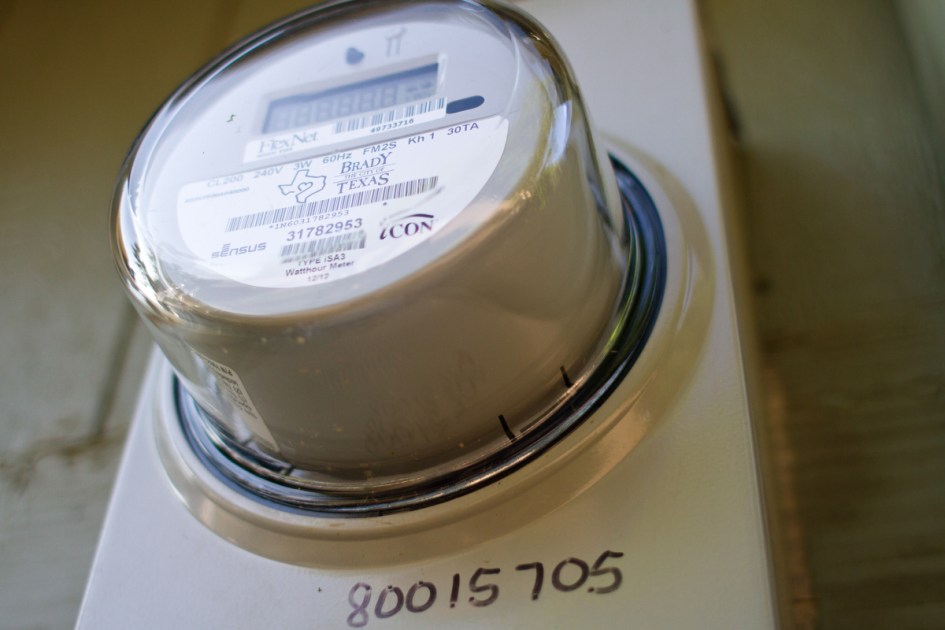
The state accounted for more than 3 million of the 13.4 million disconnections that occurred in the U.S. in 2024, the highest total in the country. This piece breaks down what that number means for families, utilities, and local economies, and looks at the forces pushing disconnection rates so high. It also points toward practical steps communities and providers can take next.
Seeing one state carry over 3 million disconnections in a single year is a striking signal about how fragile access to basic services has become for many households. Those disconnections include electricity, water, internet, and other essential utilities that most people take for granted until the lights go out. When large numbers of accounts are cut off, the effects ripple through daily life, public health, and small businesses that rely on steady service.
Several factors commonly drive spikes in disconnections, and they tend to stack on one another. Economic stress, like job loss or reduced work hours, lowers the ability of households to keep up with bills. At the same time, rising utility rates and outdated billing or assistance systems can leave vulnerable customers behind rather than supporting them through temporary hardship.
Demographics and regional infrastructure also matter. Areas with older housing, higher renter populations, or limited public assistance programs often show higher disconnection rates. Rural and low-income neighborhoods face longer recovery times because they may have fewer local resources and slower responses from service providers after outages or enforcement actions.
From a public policy perspective, this scale of disconnection calls for targeted solutions that are both immediate and structural. Short-term measures like emergency financial aid, flexible payment plans, and moratoriums during extreme weather can stop a crisis from becoming catastrophic. Longer-term fixes include improving affordability through rate design, expanding low-income subsidy programs, and investing in infrastructure upgrades that reduce costly outages over time.
Utilities and regulators have roles to play but so do community groups and local governments. Nonprofits often act as the front line, linking people to assistance and mediating with providers. Cities and counties can craft local relief programs, coordinate outreach, and push for policies that protect residents during economic downturns or public health emergencies.
Businesses feel the impact too, especially small enterprises that operate on thin margins. When customers lose service or a local workforce is disrupted, local commerce slows and recovery costs rise. That makes widespread disconnections not only a social issue but a local economic concern that merits attention from chambers of commerce and business leaders.
Data transparency will be crucial to making smarter choices. Clear, up-to-date reporting on disconnection trends lets policymakers see where help is needed most and track whether interventions are working. It also helps advocates and utilities identify patterns, such as repeat disconnections among the same households, which can indicate systemic failures rather than isolated incidents.
There are proven program elements worth expanding: targeted subsidies, automated enrollment for eligible households, and proactive outreach before disconnection happens. Pairing those with community-based solutions, like local relief funds and volunteer assistance, strengthens the safety net. Technology can help too, if used to simplify billing, offer flexible payments, and flag households at high risk of losing service.
Facing more than 3 million disconnections in one state is a wake-up call that hits across social, economic, and public health lines. Moving forward means combining emergency relief with policy reforms aimed at affordability and resilience. Watch for new data and local initiatives that measure impact and shift resources where they can prevent the next wave of cutoffs.