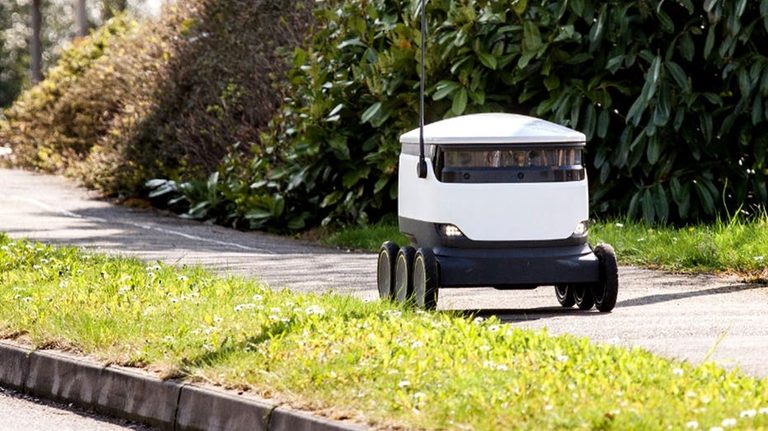
Starship Technologies, a company known for its autonomous delivery robots, is shifting its focus from college campuses to cities. The company will be redeploying over 1,200 robots from U.S. campuses to grocery chains and hot food delivery in cities across the United States and Europe.
From Campuses to Cities
The decision to leave campuses is driven by the company’s desire to expand its grocery delivery operations, which are expected to grow 10 times over the next two years. Starship’s robots have already been successful in Finland, where they complete roughly one in five grocery deliveries.
The move to cities will bring new challenges, as the robots will have to navigate crowded sidewalks and interact with a more diverse range of people. There have been reports of delivery robots bumping into people, getting stuck, and raising accessibility concerns.
Design and Safety
To succeed in cities, Starship’s robots will need to be designed with safety and accessibility in mind. The company will need to ensure that its robots can navigate sidewalks without blocking curb ramps or creating obstacles for people with disabilities.
As the use of delivery robots becomes more widespread, cities will need to establish clear rules and regulations for their operation. This may include designating specific areas for robot use, setting speed limits, and requiring companies to report accidents and near-misses.
Starship’s move from campuses to cities is a significant shift, and it will be important to monitor how the company’s robots perform in this new environment. If the robots can demonstrate their ability to safely and efficiently deliver goods, they may become a common sight in cities across the country.
Original reporting: Fox News (HLL/CB) — read the source article.