There are places that remind you just how small you are, and then there are places that make you feel grateful for it. Kitt Peak National Observatory, perched atop the Quinlan Mountains about 56 miles southwest of Tucson, is absolutely one of the latter. On a clear Arizona night — and there are a lot of them here — the sky above this ridge looks like someone scattered crushed diamonds across black velvet. It is, without exaggeration, one of the finest stargazing destinations in the Northern Hemisphere.
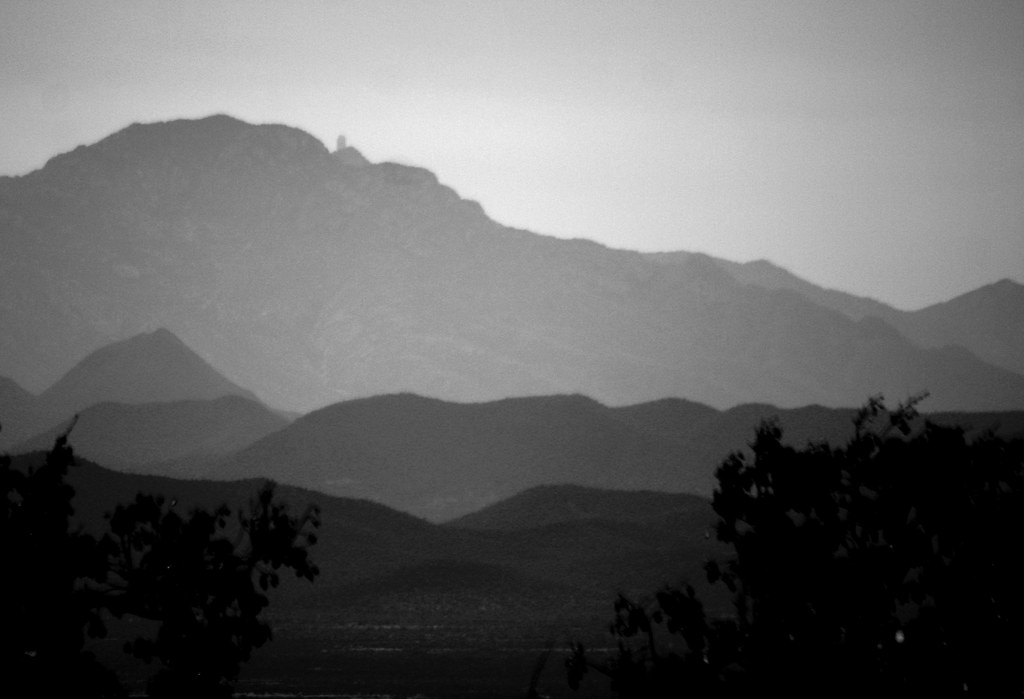
Getting there is part of the experience. The drive along State Route 86 takes you through the Sonoran Desert at its most cinematic: saguaros standing sentinel in the fading amber light, the Santa Cruz Valley stretching wide behind you, and the dome-studded silhouette of Kitt Peak growing larger on the horizon. By the time you park and step out into the thin mountain air at 6,875 feet, you already feel like you’ve arrived somewhere meaningful.
The observatory is operated by NSF’s NOIRLab and hosts a genuinely impressive collection of telescopes — more than twenty optical and two radio telescopes occupy this mountaintop, making it the largest collection of optical telescopes on Earth in a single location. During the day, guided tours let you walk inside some of these remarkable structures and learn about the astrophysics research happening right above your head. The visitor center does an excellent job of contextualizing the science without making your eyes glaze over. Whether you’re a curious amateur or someone who once considered an astronomy degree, there’s something here that will catch you off guard and delight you.
The real magic, though, happens after sunset. Kitt Peak offers nightly Nightfall programs that include telescope viewing sessions led by knowledgeable staff who are genuinely enthusiastic about what they do. You’ll peer through powerful optics at nebulae, star clusters, planets, and galaxies that most people only ever see in photographs. Seeing Saturn’s rings with your own eyes for the first time is the kind of moment that doesn’t leave you. They also offer an Advanced Observing Program for those who want a deeper, more immersive experience with the telescopes.
A few practical notes worth knowing: the drive up the mountain involves switchbacks, so arrive before dark if it’s your first time. Temperatures drop significantly at elevation even in summer, so bring a jacket regardless of the season. Red flashlights are preferred on the mountain to protect night vision — the gift shop sells them if you forget yours. Reservations for evening programs are strongly recommended and available on their website.
Kitt Peak sits on the Tohono O’odham Nation, and the land carries a quiet reverence that you feel the moment you arrive. The tribe and the observatory have shared this summit for decades, and there’s a respectful, considered atmosphere to the whole place that sets it apart from a typical tourist attraction.
If you’re visiting Tucson and you spend your nights indoors, you’re leaving the best part of the experience on the table. Kitt Peak is a reminder that some of the most extraordinary things in existence are right above us, every single night — we just need to drive somewhere dark enough to see them.