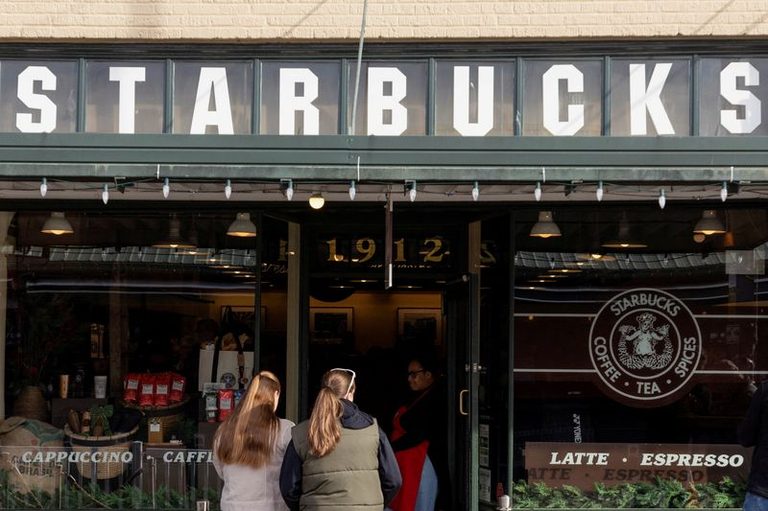
Starbucks Corp. disclosed Thursday that it will close 250 underperforming coffeehouses across the United States and Canada. The closures represent roughly one percent of the chain’s 18,000‑store footprint in North America and are part of CEO Brian Niccol’s aggressive effort to revive sales after a year of mixed results.
Restructuring costs and timeline
The company said the new closures will generate about $300 million in restructuring charges. Most of the store shutdowns are slated for completion by the end of fiscal year 2026, giving the firm time to reallocate resources to higher‑performing locations and to invest in new growth initiatives.
Background on the turnaround plan
Niccol, who took the helm in 2022, has already overseen a series of cost‑cutting measures, including a major restructuring effort last year that saw the closure of several stores, the iconic Seattle roastery among them, and was estimated to cost the company about $1 billion. Those actions were intended to streamline operations, reduce excess inventory, and focus on the brand’s core coffee experience.
Analysts note that the current closures are a continuation of that strategy, targeting locations that have consistently lagged behind sales expectations. By pruning the lower‑performing stores, Starbucks aims to improve overall profitability and protect the long‑term health of the brand.
Impact on employees and communities
The company said it will work with affected employees to provide severance packages, job‑placement assistance, and opportunities to transfer to nearby stores where possible. While any store closure can be unsettling for local neighborhoods, Starbucks emphasized its commitment to maintaining a strong presence in the communities it serves, focusing on locations that demonstrate sustainable demand.
Industry perspective
Industry observers view the move as a prudent response to shifting consumer habits, rising labor costs, and heightened competition from both specialty coffee shops and large‑scale fast‑food chains offering coffee. By concentrating on profitable sites, Starbucks hopes to preserve its market leadership while adapting to a more cost‑conscious consumer base.
Investors have generally responded positively to clear, decisive actions that address underperformance. The restructuring charges, while sizable, are being treated as a one‑time expense that should pave the way for stronger earnings in the coming quarters.
Looking ahead
Starbucks’ leadership remains confident that the ongoing turnaround will position the company for sustainable growth. Niccol has signaled that future initiatives may include expanding digital ordering, enhancing loyalty programs, and exploring new product lines that align with evolving consumer preferences.
For now, the focus remains on executing the current closure plan efficiently, minimizing disruption for employees, and ensuring that the remaining stores continue to deliver the high‑quality coffee experience that has made Starbucks a household name.
Original reporting: Appleton, WI News Feed (HLL/CB) — read the source article.