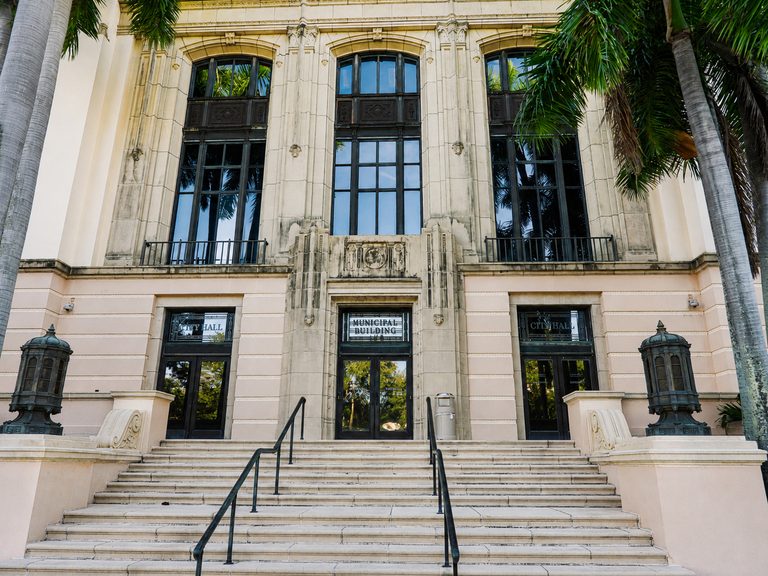
During a Youth and Family Services Committee meeting on Thursday, St. Petersburg City Council members reviewed the approaching deadline for the $45.4 million American Rescue Plan Act (ARPA) grant that has funded critical local programs for the past five years. The federal money, awarded to help the city recover from the economic fallout of the COVID‑19 pandemic, must be spent by Dec. 31, after which the funding will cease.
How the ARPA dollars were used
City officials allocated more than $34 million to housing initiatives and $11.1 million to health and social services. The grant helped create 515 affordable apartments and provided temporary shelter for 160 homeless families with children, 96 % of whom later moved into permanent housing. It also supported mental‑health care, food programs, assistance for chronically homeless residents, and monthly payments to young adults aging out of foster care.
What remains after the money runs out
Physical assets such as the new apartments, refrigeration units for the summer food program, and other equipment will remain in place, but ongoing services require new funding streams. The city’s Community Support Hub, which connects residents with counseling, housing, employment and health resources, has served more than 1,250 people and delivered over 2,000 counseling sessions. Its long‑range plan identifies the loss of ARPA funds as a financial threat and calls for about $1.3 million annually to keep operations running for at least three more years.
Amy Foster, the city’s Community and Neighborhood Affairs Administrator, said disaster‑relief money will keep the Hub afloat for now, but partners are still searching for a sustainable solution. Gulf Coast Jewish Family and Community Services CEO Sandra Braham echoed the concern, noting that the city has yet to find a clear successor to ARPA funding and expects future support to be “piecemeal,” with various organizations picking up individual services.
Programs already winding down
The city’s foster‑care transition program, which provided $500 a month for one year to 88 young adults along with financial coaching, is completing its final payments this month. Attempts to use disaster‑relief funds to extend the grants were unsuccessful because the money cannot be repurposed for that purpose.
ARPA also gave the city flexibility during recent storms. After Hurricanes Helene and Milton, St. Petersburg redirected $160,000 of the grant to repair eight severely damaged homes, combining the funds with other assistance to cover repairs that more restrictive programs would not fund. That flexibility will disappear once the grant ends.
Remaining balance and next steps
Approximately $1.48 million of the original allocation remains to be spent before the Dec. 31 deadline. City staff say projects are on track, and any unused personnel funds may be shifted to other eligible initiatives.
Council Member Copley Gerdes summed up the mixed emotions surrounding the deadline: “I’ll be sad on 12/31, but also it’s a massive celebration because we put $45 million to work over the next 99 years.” The council will continue to explore local, state and private funding sources to sustain the services that have become lifelines for many residents.
Original reporting: St. Pete Catalyst — read the source article.