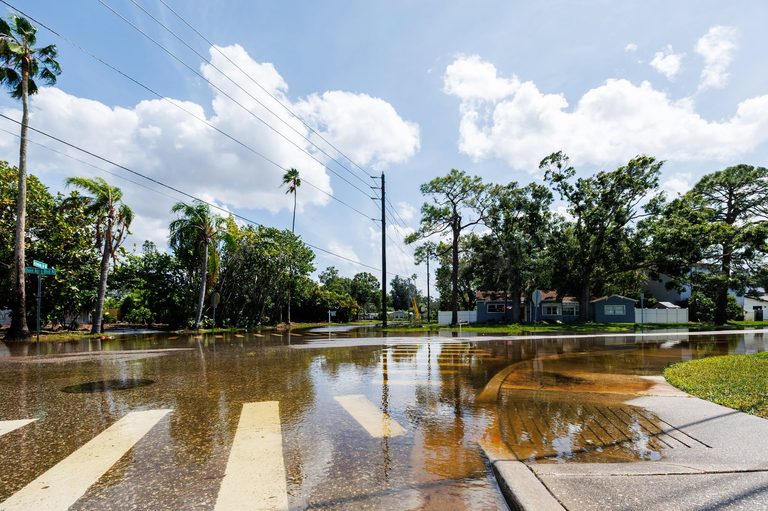
In a unanimous vote on Thursday, the St. Petersburg City Council approved a resolution that will make nature‑based approaches a standard part of the city’s infrastructure planning process. The new “Resilient by Nature” policy directs engineers to assess options such as rain gardens, living shorelines and other natural features before defaulting to conventional concrete, pipe and pump solutions.
Policy details and implementation
Under the administrative policy currently being drafted by city staff, engineers must evaluate natural alternatives and document their findings for every new construction or reconstruction project involving city facilities and infrastructure. The policy does not apply to routine maintenance or the replacement of existing equipment, and the city may still select traditional methods when natural solutions are impractical, overly costly, or unable to provide sufficient protection.
The Office of Sustainability and Resilience will lead the development of an implementation plan, working with other departments and a newly approved citizen advisory committee. Each nature‑based improvement will be required to have a clear maintenance responsibility, a funding source and an inspection schedule, addressing concerns raised earlier this year about the upkeep of such features.
Existing examples in St. Petersburg
St. Petersburg already showcases several projects that blend natural elements with built infrastructure. At Maximo Park, concrete oyster reef structures have been installed along the shoreline to break up waves and slow erosion, a project highlighted by Sustainability and Resilience Director Maeven Rogers during a council committee meeting in September.
Near the intersection of 7th Street and 50th Avenue North, landscaped drainage areas have been incorporated into stormwater improvements. The vegetation and soil in these areas filter pollutants from runoff before the water reaches Tampa Bay, demonstrating how small‑scale natural interventions can protect both property and water quality.
Council support and next steps
Council Vice Chair Richie Floyd originally requested the discussion in July, seeking a written commitment that the city would routinely consider natural approaches when planning infrastructure projects. Councilmember Gina Driscoll, who advocated for early consideration of natural features, praised the resolution, saying, “I think it’s really exciting to be able to say we are a city that’s going to take nature‑based approaches seriously and to think of that first as we move forward.”
While natural solutions such as rain gardens are effective for handling smaller volumes of runoff, the policy acknowledges that conventional drainage infrastructure will still be necessary during heavy storms to move larger water volumes. The balanced approach aims to reduce flooding, slow erosion and improve water quality without abandoning the reliable drainage systems the city depends on.
Looking ahead
The resolution does not allocate additional funding or authorize specific construction projects; instead, it sets a framework for future planning. As the policy takes shape, city departments will be encouraged to identify opportunities for nature‑based designs in upcoming road, sidewalk, drainage and other public works projects.
By embedding environmental stewardship into the city’s core planning processes, St. Petersburg hopes to protect its waterfront neighborhoods, enhance resilience against climate‑related challenges, and set an example for other Florida municipalities seeking sustainable, cost‑effective solutions.
Original reporting: St. Pete Catalyst — read the source article.