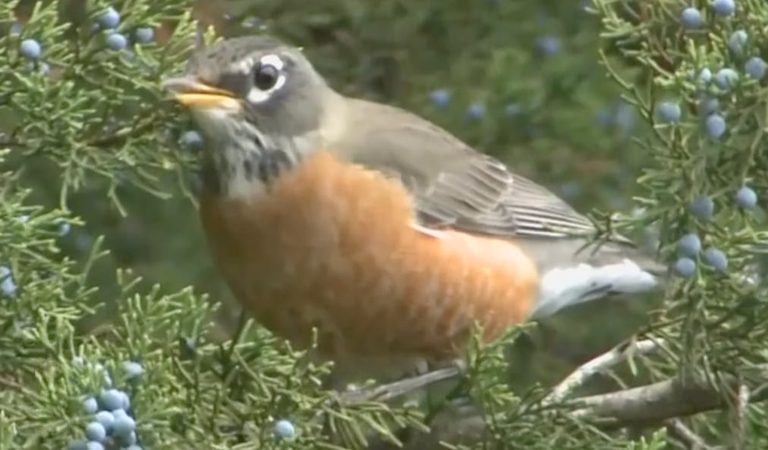
Springfield, Mo. – Volunteers across the Ozarks are gathering this weekend to count winter birds as part of the Audubon Society’s annual Christmas Bird Count. The effort, which takes place at Fellows Lake and several other local sites, provides researchers with a snapshot of winter bird populations and helps track changes from year to year.
Decades of dedication
David Catlin, a Springfield resident who has participated in the count for more than 40 years, leads the team surveying Fellows Lake. “The adventure of seeing birds that I may not have expected to be here at Christmas time, and the enjoyment of the other people I spend time with,” Catlin said, explaining why he returns each year.
How the count works
Volunteers are assigned specific areas to survey. After spotting birds, they record the species and number, then report their findings to a regional coordinator. The coordinator forwards the data to the National Audubon Society, which compiles the information into a statewide report.
To avoid double‑counting, volunteers follow strict guidelines. “If you see four cardinals, and you walk 30 feet and then you see five cardinals, you don’t count them all as nine. That’s just five cardinals,” explained Ben Caruthers of the Greater Ozarks Audubon Society. “We try to not add birds together in the same small area.”
Why the data matters
The count helps organizers understand which species spend the winter in a given area and whether their numbers are increasing or declining. This information is essential for wildlife management and conservation planning.
Caruthers noted that participation is limited to a handful of rural locations, so volunteers are encouraged to sign up early. More details can be found on the Missouri Department of Conservation’s Facebook page.
Looking ahead
In addition to the Christmas Bird Count, the Great Backyard Bird Count will take place in February, offering another opportunity for residents to get outdoors, enjoy nature, and contribute valuable data for bird conservation.
“It’s an opportunity to get outdoors and experience nature, and it’s good for birds because the data we collect is used to do management and conservation,” Catlin added.
How to get involved
Anyone interested in joining the count can contact the Greater Ozarks Audubon Society or visit the Missouri Department of Conservation’s Facebook page for registration information. Volunteers of all ages are welcome, and the experience provides a family‑friendly way to connect with the natural world while supporting scientific research.
Original reporting: KY3 Springfield (local) — read the source article.