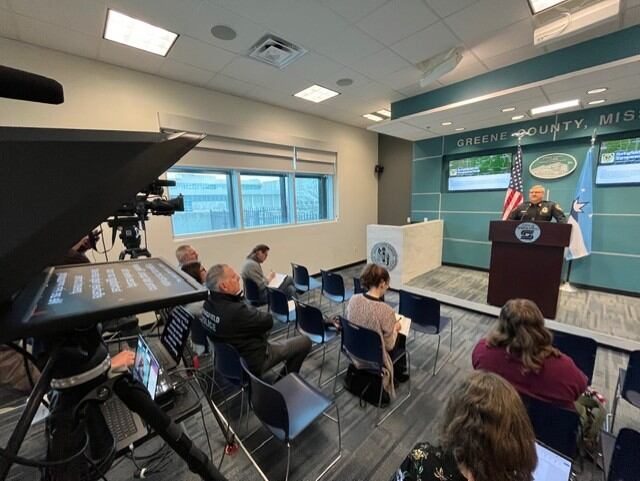
Springfield, Mo. – During a morning briefing at the Springfield‑Greene County Public Safety Center, Police Chief Paul Williams detailed recent changes to the city’s automated license‑plate reader (ALPR) program. The updates include stricter audit protocols, clearer data‑retention rules, and a publicly accessible online dashboard that tracks how the technology is used.
Enhanced safeguards and transparency
Williams explained that the ALPR network remains a vital investigative tool for locating stolen vehicles, locating individuals subject to Amber Alerts, and identifying suspects in violent crimes. At the same time, the department has instituted “internal safeguards” to ensure that only authorized personnel can access raw plate data, and that any retrieval is logged and reviewed.
“Balancing police work and personal liberties is a tightrope we’re always walking,” Williams said. “Our goal is to protect the community while respecting constitutional privacy rights.”
Public dashboard provides real‑time insight
The Springfield Police Department now maintains an online dashboard that displays aggregate scan numbers, usage guidelines, and the department’s data‑retention schedule. The dashboard is intended to give residents a clear view of how often the scanners capture plates, what categories of incidents trigger a review, and how long the information is stored before it is automatically deleted.
Protesters voice concerns
Outside the safety center, a group of demonstrators gathered to protest the ALPR system. Participants argued that the technology raises constitutional privacy concerns and that Springfield residents should have had a direct municipal ballot vote on its deployment. Several protesters identified themselves as members of local civil‑rights organizations, emphasizing the need for community input before expanding surveillance tools.
While acknowledging the demonstrators’ perspective, Williams reiterated that the department’s new procedures were designed to address those very concerns. He noted that the ALPR data is retained only for a limited period—generally 30 days for non‑investigative scans—and that any longer retention requires a warrant or court order.
Community impact and next steps
The updated protocols were developed in consultation with the city’s legal counsel and an independent privacy auditor. The auditor’s report, which will be posted on the dashboard, confirms that the department’s practices comply with Missouri state law and respect the Fourth Amendment.
Chief Williams invited residents to review the dashboard and submit questions or correction requests via the department’s website. He also announced plans for a quarterly public forum where community members can discuss the ALPR program and other public‑safety initiatives.
Local officials, including Mayor Danny H. McGowan, praised the department’s transparency efforts, stating that open communication helps build trust between law enforcement and the neighborhoods they serve.
What residents can do
Residents who wish to learn more about the ALPR system can visit the Springfield Police Department’s website, where the dashboard and accompanying FAQs are available. The department encourages citizens to report any concerns about data handling or to request a review of specific scans through the online portal.
Original reporting: KY3 Springfield (local) — read the source article.