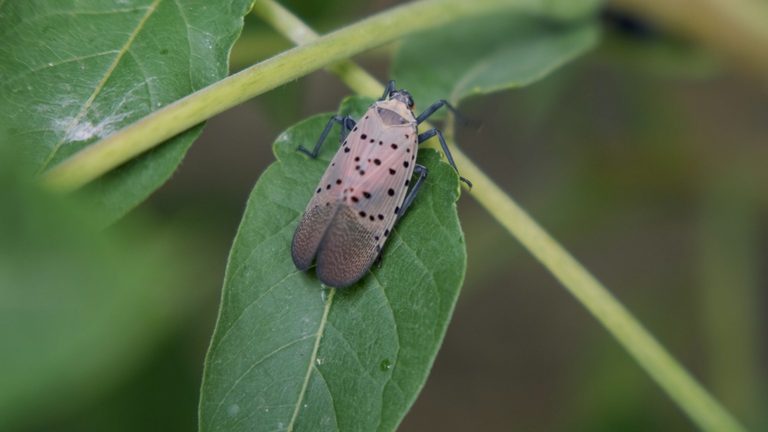
Michigan Department of Agriculture and Rural Development (MDARD) officials announced Thursday that the invasive spotted lanternfly has been confirmed in Berrien County, marking the latest addition to a growing list of counties where the pest has been detected.
Why the lanternfly matters for local growers
While the spotted lanternfly does not directly threaten human or animal health, heavy infestations can stress vegetation and cause significant damage to crops, especially grape vines, hops, and the tree-of-heaven. Berrien County is a major producer of Michigan’s grape harvest, making the confirmation especially concerning for vineyard owners.
State response and resources
MDARD Director Tim Boring emphasized that the agency, in partnership with Michigan State University Extension, is working closely with fruit growers to help them identify the pest and implement preventative measures. “While spotted lanternfly can impact plants and cause crop damage when populations are high, it does not pose a risk to human or animal health,” Boring said.
Rufus Isaacs, a specialist with the MSU Extension, added that the pest’s preferred hosts include grapevines, hops, and the invasive tree-of-heaven. “The recent detection of spotted lanternfly in Berrien County highlights the importance of continued monitoring by growers in this region,” he noted.
Recent detections across the state
In addition to Berrien County, the lanternfly has been confirmed in Washtenaw, Jackson, Lenawee, Macomb, Monroe, and Wayne counties. The Southwest Corner Cooperative Invasive Species Management Area group identified the Berrien County specimen during routine surveillance, confirming the find in collaboration with the U.S. Department of Agriculture.
How residents can help
Anyone who spots the spotted lanternfly is encouraged to report the sighting through Michigan’s DNR “Eyes in the Field” tool or by contacting their local MSU Extension office. Early reporting helps officials track the pest’s spread and allocate resources for control efforts.
What growers can do now
Michigan State University Extension recommends several steps for growers and homeowners:
- Inspect vines, trees, and surrounding vegetation regularly for the distinctive winged insects.
- Remove egg masses, which appear as small, grayish-brown clusters on tree trunks and other surfaces.
- Consider targeted pesticide applications where infestations are high, following guidance from extension specialists.
- Report confirmed sightings promptly to aid state‑wide monitoring.
By staying vigilant and working together, Michigan’s agricultural community aims to limit the lanternfly’s impact and protect the state’s valuable crops.
Original reporting: Warren | FOX 2 Detroit — read the source article.