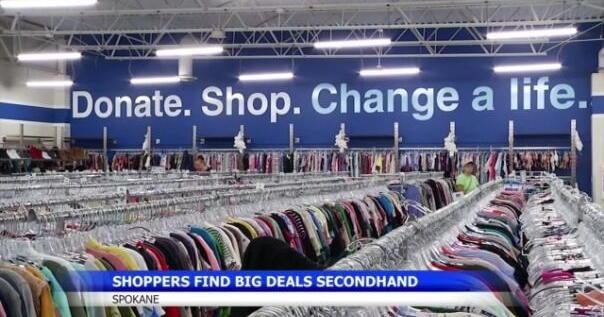
In Spokane, Washington, thrifting has become a practical solution for families seeking to stretch their dollars while finding items that stand the test of time. Jaz Vega, a lifelong Spokane resident, shared with Nonstop Local how her upbringing in a low‑income household taught her the value of second‑hand shopping.
Family habits shape thrift‑savvy mindset
Vega recalls watching her mother and grandmother hunt for bargains at local thrift stores. Their example instilled a budget‑conscious and environmentally friendly approach that still guides her purchases today. “We learned early that a good find could be both affordable and lasting,” she said.
What shoppers find at Spokane thrift venues
Vega frequents a variety of thrift outlets, from traditional Goodwill locations to smaller independent resale shops. She looks for durable fabrics such as 100 percent cotton and denim, which she can often purchase for a fraction of the price at department stores. In addition to clothing and shoes, she also picks up home décor, DVDs, and CDs, noting that many items are sold by the pound in Goodwill bins, allowing shoppers to maximize their savings.
Thrifting gains popularity across generations
While thrifting was once viewed primarily as a necessity for low‑income families, Vega observes a growing interest among a broader cross‑section of Spokane residents. More people now see second‑hand shopping as a smart, sustainable alternative to fast‑fashion retail. This shift reflects a wider cultural move toward mindful consumption and a desire to reduce waste.
Tips for a successful thrift hunt
Vega encourages fellow Spokane shoppers to approach thrift trips with patience and a plan. She suggests setting aside a dedicated day to explore multiple stores, arriving early for the best selection, and being open to digging through bins for hidden gems. “If you take the time, you’ll often find quality items that last much longer than cheap new apparel,” she advises.
Community impact of thrifting
Beyond personal savings, thrifting supports local charities and nonprofit organizations that operate many of the resale locations. Purchases help fund community programs, job training, and other services that benefit Spokane residents. By choosing second‑hand options, shoppers contribute to a cycle of reuse that benefits both their wallets and the environment.
As Spokane continues to grow, thrifting offers a practical way for families to maintain financial stability while embracing sustainable habits—a tradition that many, like Jaz Vega, hope will endure for generations to come.
Original reporting: KHQ Spokane (news) — read the source article.