There is a moment, somewhere between the drumbeat drifting out of the main pavilion and the smell of griot frying from a food cart near the entrance, when you stop checking your phone and just listen. That is the moment Little Haiti Cultural Complex has you, and it does not let go easily.
Tucked into the heart of Miami’s Little Haiti neighborhood — along NE 2nd Avenue between 59th and 62nd Streets — this sprawling, vibrantly painted campus is one of the most culturally rich destinations in the entire city, and somehow still flies under the radar for visitors who spend their Miami weekends shuttling between South Beach and Wynwood. That is a genuine shame, and I want to do something about it.
The complex is operated by Miami-Dade County and spans several acres of open-air plazas, covered performance stages, art galleries, and community gathering spaces. The architecture alone is worth the trip: bold turquoise and coral facades, intricate wrought-iron detailing, and larger-than-life murals celebrating Haitian history, vodou iconography, and Caribbean flora. Every wall here is intentional. Every corner has something to say.
On weekend mornings, the complex hums with a particular kind of energy that feels less like a tourist attraction and more like a neighborhood living room. Families set up early near the Caribbean Marketplace — a colorful open-air bazaar modeled after the Iron Market in Port-au-Prince — where vendors sell everything from hand-stitched Haitian flags and hand-carved wooden art to fresh coconut water and bags of cassava chips. Browse slowly. Talk to the vendors. These are artists and craftspeople who have kept centuries-old traditions alive in the middle of a major American city, and they are genuinely happy to tell you about their work.
If you time your visit right, you may walk into a live performance at the main amphitheater — rara bands, traditional Haitian dance troupes, and contemporary Caribbean artists have all graced this stage. Check the complex’s event calendar before you go, because weekends during the annual Caribbean Carnival and the Haitian Heritage Month celebration in May turn the whole campus into something you will be describing to friends for months afterward.
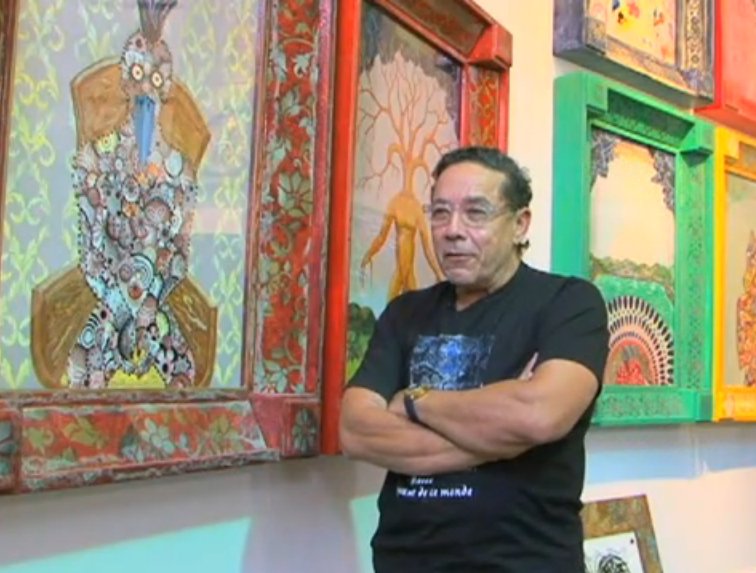
The gallery spaces inside the main building rotate exhibitions by Haitian and Haitian-American visual artists, and the quality rivals anything you will find in a more celebrated Miami art district. The difference is that here, the art is embedded in a living community. The context is everything.
Before you leave, eat something. The food vendors around the marketplace serve some of the most honest Haitian cooking in Miami — rice and beans layered with the kind of depth that comes from family recipes, not restaurant consultants. A plate of poul nan sos with a cold Prestige beer on a warm Miami morning is a small, perfect thing.
Little Haiti Cultural Complex is free to enter, parking is available on-site, and the energy is completely unlike anywhere else in Miami. Come curious, come hungry, and give yourself at least two hours. You will want every minute of them.