Most people racing along Fort Caroline Road on their way to the boat ramp or the grocery store have no idea they are passing one of the most consequential pieces of ground in all of North America. Fort Caroline National Memorial sits quietly in the Ft. Caroline neighborhood on Jacksonville’s Northside, tucked against a broad bend of the St. Johns River, and it holds a story so dramatic and so forgotten that the moment you step onto the grounds, you feel a little like you’ve discovered something the rest of the world has overlooked.
Let me set the scene. It is 1564, and a group of French Huguenots — Protestant settlers fleeing religious persecution — land on these bluffs and build a triangular fort they call La Caroline. They are the first Europeans to attempt a permanent settlement on what would become the continental United States. The Spanish, alarmed by this French foothold, come down from St. Augustine and destroy the fort just a year later. The entire episode lasts barely a blink in the grand sweep of history, yet it changed the trajectory of Florida, of France’s ambitions in the New World, and, arguably, of the nation that would eventually rise here. Standing on these bluffs above the river, looking out at the same wide, dark water those colonists would have watched every morning, the weight of that story settles over you in the most satisfying way.
The memorial is managed by the National Park Service as part of the Timucuan Ecological and Historic Preserve, and admission is completely free. The visitor center is small but thoughtfully designed, with exhibits that walk you through the French Huguenot experience, the lives of the Timucua people who already called this land home, and the Spanish military campaign that ended the colony. The rangers here are genuinely passionate — ask one a question and you are liable to be treated to a twenty-minute conversation that you will not want to end.
Outside, a replica of the original fort sits near the river’s edge. It is not a grandiose reconstruction, and that restraint is actually part of what makes it so affecting. The earthworks, the simple palisade walls, the wooden watchtower — they remind you just how exposed and vulnerable those first settlers were, thousands of miles from home, building shelter on an unknown shore.
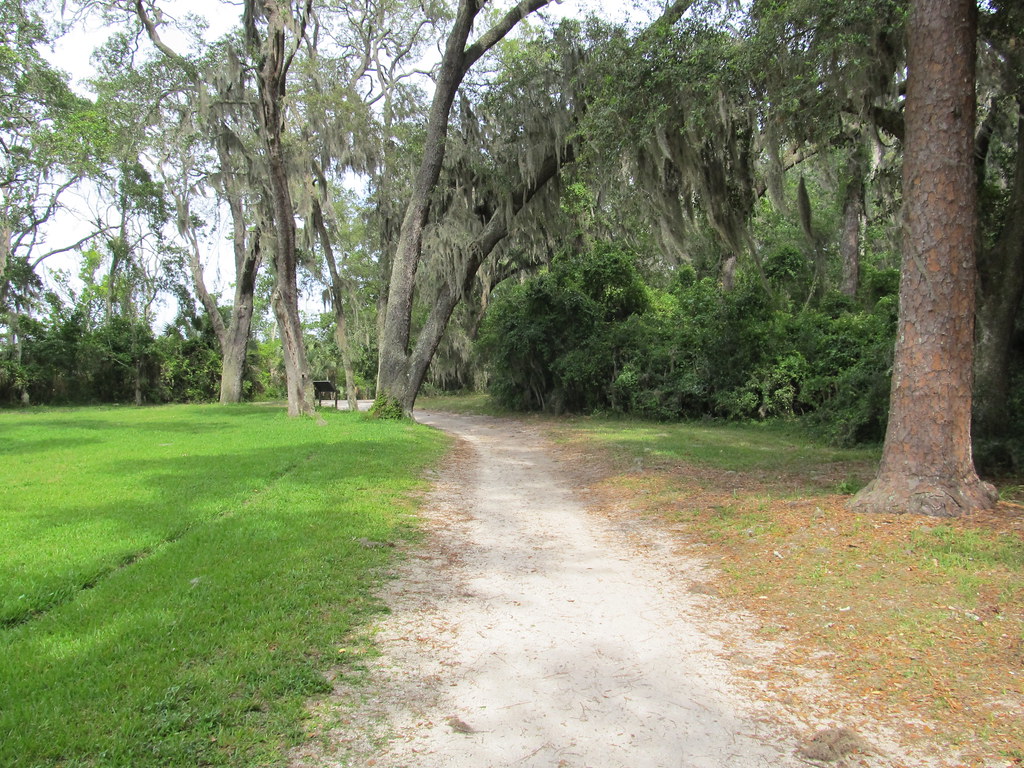
The grounds themselves are beautiful in a quiet, unpretentious way. Massive live oaks trail Spanish moss across the walking paths. The river glitters through the tree line. Egrets pick their way along the bank. It is exactly the kind of place where you can spend two unhurried hours and leave feeling genuinely enriched rather than entertained.
Plan your visit for a weekday morning if you can. The parking lot is rarely crowded, the light through the oaks is gorgeous before noon, and you will likely have long stretches of the grounds entirely to yourself. Bring water, wear comfortable shoes, and allow yourself the luxury of moving slowly. Fort Caroline rewards patience.
Jacksonville has beaches and breweries and great restaurants, and you should absolutely enjoy all of them. But every now and then a city offers you something that stops the clock — a place where history is not behind glass or behind a velvet rope but simply beneath your feet and in the air around you. Fort Caroline is that place. Go soon, go unhurried, and go knowing you are standing on ground that shaped a continent.