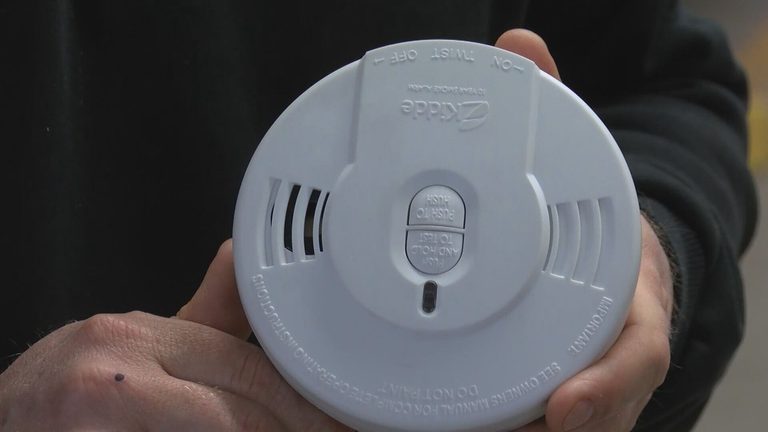
With colder weather prompting increased use of furnaces, wood stoves and space heaters, the Spearfish Fire Department is urging residents to take immediate steps to safeguard their homes from carbon monoxide (CO) poisoning. Deputy Fire Chief Brian Ziegler notes that the department typically sees a surge in CO‑related calls during the winter months.
Why carbon monoxide is a hidden danger
Carbon monoxide is often called the “invisible killer” because it is odorless, colorless and tasteless. Without a functioning detector, occupants may be exposed without realizing it. Symptoms can mimic the flu—headaches, nausea, dizziness, confusion and fainting—while high concentrations can cause unconsciousness or death.
Key safety actions for homeowners
Fire officials recommend installing a carbon monoxide detector on every level of a home, especially near sleeping areas, and testing the units regularly. Residents should also become familiar with the difference between a CO alarm and a low‑battery warning, as the signals can vary by model.
In addition to detectors, the department advises:
- Having all heating appliances inspected annually by a qualified technician.
- Cleaning chimneys each year and checking for cracked or missing mortar.
- Clearing snow and debris from furnace and dryer vents after storms.
- Using generators, gas‑powered equipment and charcoal grills only outdoors, at least 20 feet from doors, windows and vents.
Common sources of carbon monoxide
Typical household sources include furnaces, water heaters, wood stoves, space heaters, blocked vents and vehicles left running in attached garages. Ensuring proper ventilation and regular maintenance can dramatically reduce the risk.
What to do if a detector sounds
If a carbon monoxide alarm sounds, evacuate the home immediately, call 911, and seek fresh air. Do not re‑enter the residence until officials confirm it is safe.
For more detailed guidance, residents can consult the National Fire Protection Association’s resources on carbon monoxide safety.
Original reporting: KOTA (Gray) – local — read the source article.