Spain’s monarch, King Felipe, and Queen Letizia are scheduled to travel to the disputed North African enclaves of Ceuta and Melilla on October 13 and 14. The visit, announced by sources within the royal household, will be the first time the king has set foot in the two cities during his 12‑year reign.
Why the trip matters for Spain and its neighbors
Ceuta and Melilla, Spanish territories on the Mediterranean coast of Morocco, have long been flashpoints in Spain‑Morocco relations. Morocco claims sovereignty over the enclaves, describing them as occupied, while Spain maintains they are integral parts of the nation, having been under Spanish control since the 17th and 15th centuries respectively.
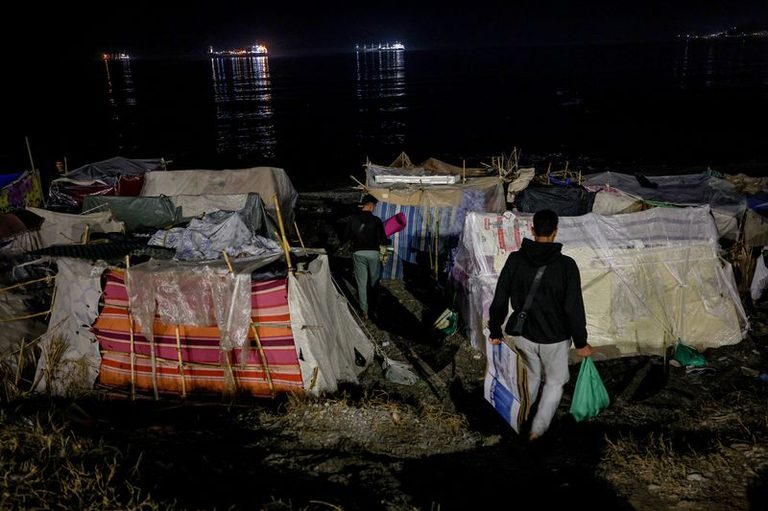
The timing of the royal tour follows a dramatic border crisis in late July, when more than 72,000 migrants surged into Ceuta from Morocco in a short period. The influx strained local resources, prompted a massive humanitarian response, and intensified political debate in Madrid over the role of Moroccan border controls.
Government response and political debate
Prime Minister Pedro Sánchez has faced criticism from opposition parties, who accuse him of being too soft on Rabat. While Sánchez initially praised Morocco for cooperating in the repatriation of migrants, he later told CNN that Moroccan border controls had failed during the surge. Morocco, in turn, denied any laxness, attributing the crossing to social‑media misinformation, human‑trafficking networks, and a misinterpretation of a recent Spanish court ruling that some say opened a legal loophole for sea arrivals.
During a state dinner for French President Emmanuel Macron, King Felipe urged European nations to show greater solidarity with Spain, calling the situation in Ceuta “unacceptable.” His remarks underscore the broader concern among European allies about the stability of the southern Mediterranean border.
Royal visit details
The itinerary includes meetings with local officials, visits to civil‑protection units that responded to the July surge, and a public appearance with Queen Letizia. The royal couple’s presence is expected to signal Spain’s commitment to the enclaves and to reassure residents that the government remains engaged.
Morocco’s Foreign Ministry has not responded to requests for comment on the planned visit. Analysts note that the trip could either deepen diplomatic strains or serve as a catalyst for renewed dialogue, depending on how both sides manage the optics of the royal presence.
Implications for the future
The upcoming royal tour arrives at a moment when Spain is navigating a complex set of challenges: managing migration flows, maintaining security on its borders, and preserving a delicate diplomatic balance with Morocco. How the visit is received by local populations, Spanish politicians, and Moroccan officials will likely shape the next phase of bilateral relations.
For residents of Ceuta and Melilla, the king’s arrival offers a rare opportunity to see the head of state in person and to voice concerns directly to the highest ceremonial office in the land. The visit also provides a platform for Spanish authorities to highlight the humanitarian efforts undertaken during the recent crisis and to reaffirm the strategic importance of the enclaves to Spain’s national security.
As the dates approach, both Madrid and Rabat will be watching closely, aware that the symbolism of a royal visit carries weight far beyond ceremonial duties. The outcome may set the tone for future cooperation—or contention—over one of Europe’s most enduring border disputes.
Original reporting: Appleton, WI News Feed (HLL/CB) — read the source article.