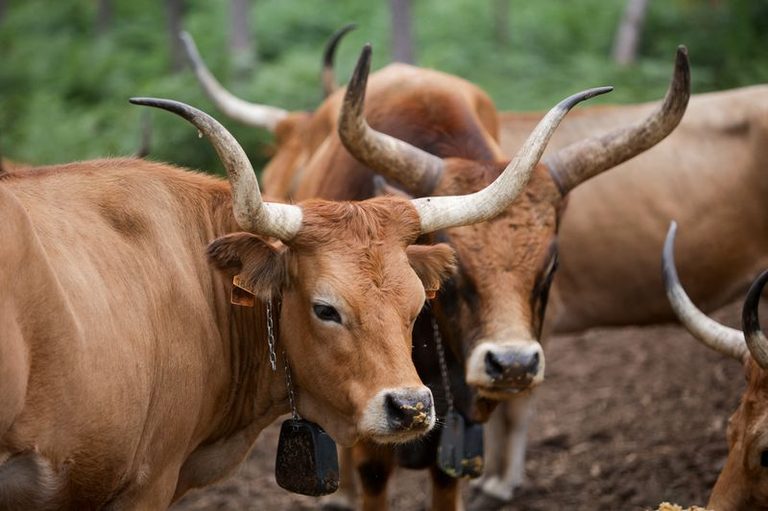
In the wildfire-ravaged region of Galicia, Spain, communities are turning to a centuries-old technique to prevent fires: breeding native livestock. The regional government has granted incentives to farmers to keep young female cows, and a local zoological centre has provided bulls at low cost to facilitate breeding.
Native Livestock Helps Reduce Wildfires
The native livestock, including the Cachena cow, helps clear flammable undergrowth by grazing on the land. This technique is backed by scientific studies and has been shown to be effective in reducing the risk of wildfires. The Cachena cow, known locally as the “goat-cow” due to its ability to eat almost anything and navigate mountainous terrain, is well-suited to the region’s landscape.
The regional association BOAGA reports that the population of native livestock has increased from just over 1,800 in the late 1990s to more than 30,000 by early 2026, including roughly 8,000 Cachena cows. The cows are equipped with GPS collars, allowing them to roam freely and eliminating the need for fences.
This approach to wildfire prevention is not only effective but also promotes land stewardship and responsible animal husbandry. As the world grapples with the challenges of climate change, it is heartening to see communities coming together to find innovative solutions to protect their environment and promote sustainable practices.
Original reporting: Appleton, WI News Feed (HLL/CB) — read the source article.