Madrid – The death of Maricarmen Abascal, the 87‑year‑old woman whose forced eviction last month ignited a wave of housing protests across Spain, was announced on Wednesday by the city’s tenants’ union. Abascal became a symbol of the struggle many families face in securing and keeping a home.
Protests swell after eviction
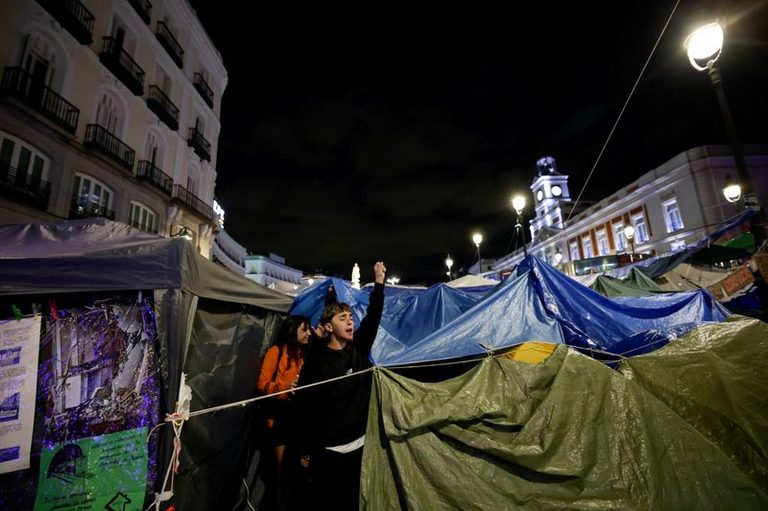
Following her eviction, activists set up a camp on one of Madrid’s main squares, demanding an end to what they describe as a mounting housing crisis. Trade unions have called for a nationwide general strike on November 11 to pressure the government into stronger tenant safeguards.
Political fallout
The unrest comes as Spain’s parliament rejected recent decrees aimed at curbing evictions and limiting rent pressures. In response, Prime Minister Pedro Sánchez announced an early election for November 29, seeking to shift the political narrative from his handling of the migrant situation in Ceuta and a series of corruption investigations involving his Socialist Party.
Sánchez posted on X, expressing sorrow: “A hug to all of us who feel this loss as our own today.” He also pledged to prioritize housing reform, noting that the crisis has become a rallying point for many voters.
Government’s stance
Territorial policy minister Ángel Víctor Torres said Abascal’s story reflects the hardships faced by both elderly and younger families trying to obtain or retain their homes. The minister reaffirmed the administration’s commitment to expanding affordable housing and strengthening legal protections for tenants.
Community response
Local tenant groups emphasized that Abascal’s legacy should inspire continued activism. “We will fight, keep fighting for what is yours,” the union quoted her as urging, underscoring the resolve of many Spaniards to demand fair housing policies.
As the election approaches, housing will likely dominate the public discourse, with voters weighing the government’s response to rising rents against broader concerns about migration and corruption.
Original reporting: Appleton, WI News Feed (HLL/CB) — read the source article.