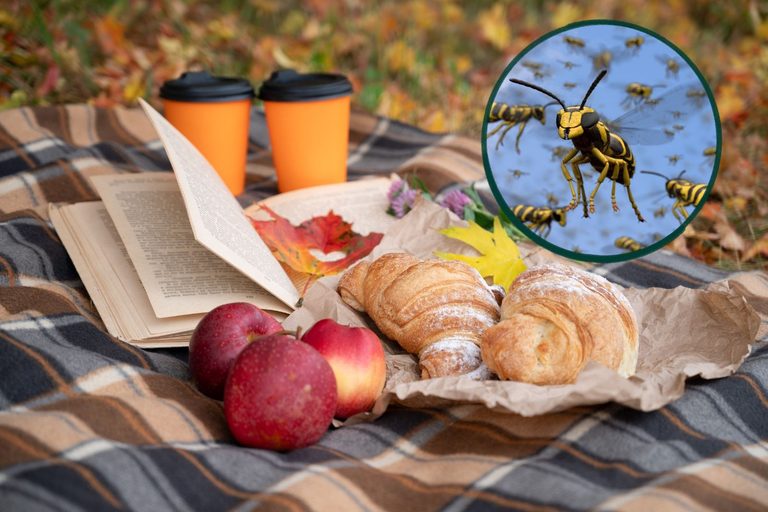
If you’ve been enjoying the crisp fall evenings in southeast Minnesota only to be swarmed by wasps, hornets, or yellowjackets, you’re experiencing a normal seasonal pattern. The University of Minnesota Extension notes that these insects reach their highest populations at the end of summer and into early fall, which is why they seem to be everywhere right now.
Why the Numbers Are Up
During the early summer months, worker wasps and yellowjackets spend most of their time hunting other insects to feed their developing larvae. As the colony matures, the queen produces fewer young, reducing the need for protein‑rich prey. The workers then shift their diet to sugary foods and scavenging, seeking out fallen fruit, garbage, and even open cans of soda, beer, or energy drinks at backyard gatherings and restaurant patios.
Increased Aggression Is Seasonal
The Extension also confirms that certain species become more defensive in late summer and fall. With the insects now operating closer to human activity, their defensive behavior can feel more pronounced, even though it’s a natural response to protecting dwindling food sources.
What Residents Can Expect
Most experts agree the nuisance will subside once hard freezes arrive. The Minnesota Department of Natural Resources estimates that a solid freeze could occur anytime between September 22 and October 21 in the southeast part of the state. After a freeze, worker insects and older queens typically die, and the nests are abandoned.
Tips for Reducing Encounters
- Keep outdoor trash cans sealed and remove any food remnants promptly.
- Cover sugary drinks and avoid leaving open containers on patios.
- Remove fallen fruit from lawns and gardens where possible.
- If a nest is discovered in a high‑traffic area, consider contacting a licensed pest‑control professional for safe removal.
While the increased activity can be irritating, it’s a temporary phase driven by the insects’ life cycle. By taking simple precautions and waiting for the first hard freeze, residents can look forward to a calmer outdoor season.
Original reporting: News Talk 1340 KROC-AM – News and Talk – Rochester News Radio — read the source article.