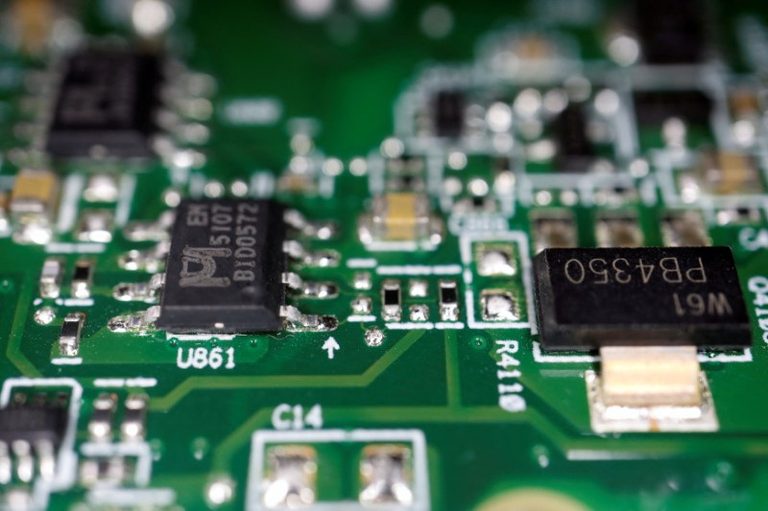
South Korea’s National Assembly has put into force a revised Criminal Act that expands espionage offences to include any foreign country or organization, not just North Korea. The law took effect on September 13 after a six‑month grace period, signaling Seoul’s determination to safeguard its strategic industries such as semiconductors, displays, batteries and artificial intelligence.
Key provisions of the amendment
The new offence carries a minimum prison term of three years. Existing penalties for espionage benefiting an “enemy state” remain unchanged, but the amendment closes a loophole that previously limited espionage charges to acts favoring North Korea. Prosecutors can now pursue cases involving foreign governments or corporations under the same framework.
Why the change matters
Legal and security experts say the revision strengthens deterrence against industrial espionage. Under the old law, investigators often had to rely on separate trade‑secret statutes, which resulted in lighter sentences for high‑value technology theft. By creating a unified, tougher penalty, the government hopes to protect the nation’s competitive edge in the global chip market.
Government response
The National Intelligence Service welcomed the amendment, stating it will improve South Korea’s ability to prevent leaks of critical technologies. The agency highlighted the importance of protecting semiconductor and AI sectors, which are central to the country’s economic growth.
Recent high‑profile leaks
The law follows several notable cases, including the indictment of five former Samsung Electronics engineers accused of transferring dynamic random‑access memory (DRAM) technology to Chinese memory maker CXMT. While Samsung and CXMT declined to comment, the incident underscored vulnerabilities in the nation’s tech supply chain.
International reaction
When asked whether the amendment targets China, Chinese Foreign Ministry spokesperson Mao Ning emphasized that China expects all nations to uphold fair, non‑discriminatory business environments. He called for mutual respect of international rules and laws governing corporate cooperation.
What’s next
With the law now active, prosecutors are expected to apply the new provisions to ongoing investigations involving foreign entities. Industry observers will watch closely to see whether the stricter penalties deter future espionage attempts and help maintain South Korea’s leadership in semiconductor innovation.
Original reporting: Appleton, WI News Feed (HLL/CB) — read the source article.