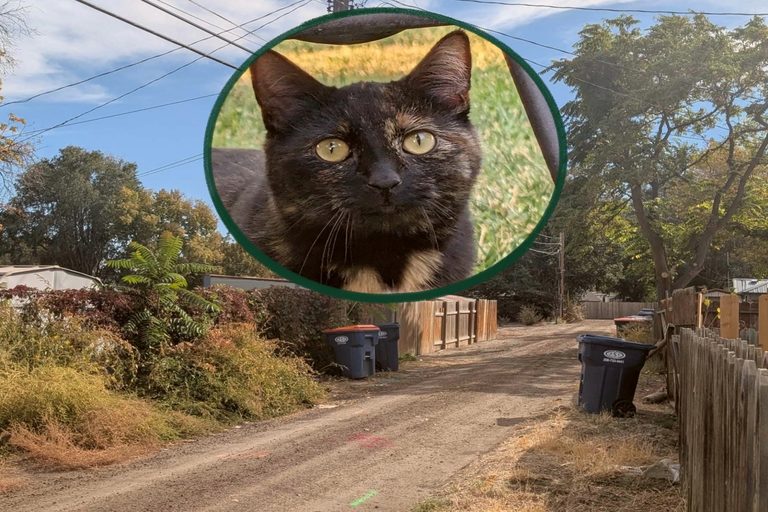
Residents of the Magic Valley, particularly in Twin Falls, are noticing an increase in stray cats roaming alleys and backyards. The author of this piece, a recent newcomer to the area, reports seeing two to three different cats each time they take trash to the alley, a pattern that suggests a sizable, rotating population of free‑roaming felines.
Neighborhood Impact
For the past eight weeks, the author’s family has been moving into a new home. Their two dogs were temporarily housed at a relative’s house to simplify the move and avoid immediate introductions to the local cat community. Once the dogs arrived, the author observed an immediate reduction in cat droppings in the backyard, indicating that the presence of a larger animal can deter stray cats from frequenting private yards.
Idaho Ranks High for Cat Ownership
According to a Reddit post from 2024, Idaho ranks seventh nationally in cat ownership, placing it among the top ten states where cats are a common household pet. While the post does not provide official statistics, it reflects a perception among cat enthusiasts that the Gem State has a strong feline culture. By contrast, Vermont is often cited as the state with the highest concentration of cats, and Rhode Island appears to have the fewest.
Community Perspectives
Although the author does not consider themselves a cat person, they acknowledge the benefits of stray cats keeping rodents at bay. Neighbors who love cats often feed and shelter them, contributing to the visible presence of these animals. One neighbor, described as a “massive cat lover,” regularly hosts three cats that wander the neighborhood throughout the day.
Balancing Pets and Wildlife
Local residents are faced with the challenge of balancing pet ownership with the desire to protect wildlife. The influx of stray cats can lead to concerns about predation on local bird and small‑animal populations, as well as sanitation issues from cat waste. Families with dogs may find that their pets naturally discourage stray cats from entering yards, offering a practical solution without the need for active removal programs.
What Residents Can Do
Those looking to manage the stray cat situation can consider a few community‑focused steps: securing trash bins to reduce food sources, providing designated feeding stations away from homes, and collaborating with local animal shelters for trap‑neuter‑release (TNR) initiatives. These measures aim to control the stray population humanely while respecting the affection many Idahoans have for cats.
Looking Ahead
As the Magic Valley continues to grow, the conversation around stray cats is likely to evolve. Residents hope to find a balance that protects property, supports responsible pet ownership, and preserves the region’s wildlife. Ongoing dialogue among neighbors, animal welfare groups, and local officials will be essential to address this uniquely Idahoan concern.
Original reporting: 580 KIDO Talk Radio (Boise) — read the source article.