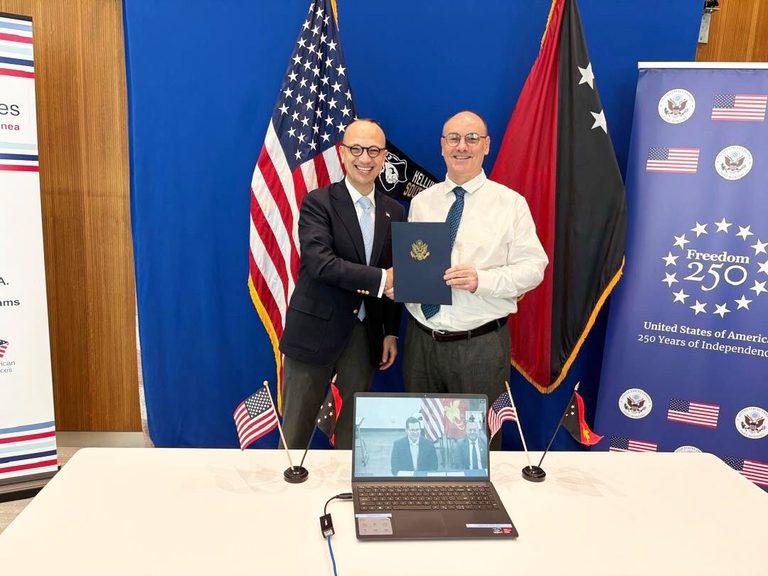
Rapid City, SD – South Dakota Mines announced a new international partnership with the University of Papua New Guinea (UPNG) aimed at widening STEM education and workforce pathways for students in both countries. The agreement was formalized through a memorandum of understanding signed during a virtual ceremony that included leaders from both universities and a representative of the U.S. Embassy in Papua New Guinea.
Exchange programs and joint research
The partnership will support faculty and student exchanges, collaborative research projects and the development of shared academic programs. Administrators from both schools are also exploring a “2+2” model that would let students spend two years at each institution and potentially earn a degree that reflects the combined curriculum.
Building on existing scholarship ties
More than 120 students from Papua New Guinea are currently enrolled at universities across North and South Dakota under a bilateral scholarship initiative. Twelve of those scholars began studies at South Dakota Mines this fall, illustrating the growing educational pipeline between the two regions.
Workforce relevance
University leaders say the new partnership will help prepare graduates for careers in mining engineering, natural resources and other high‑skill sectors that are vital to both economies. President Brian Tande noted that the agreement leverages the school’s long‑standing focus on research and education that addresses global challenges.
Previous international collaborations
South Dakota Mines recently completed a similar partnership with Taita Taveta University in Kenya, demonstrating the school’s commitment to forging global connections that benefit local students and the broader community.
By expanding opportunities for international study and research, the agreement aligns with the university’s mission to develop a skilled workforce that can meet the demands of a rapidly changing global economy while strengthening ties between South Dakota and the Pacific nation of Papua New Guinea.
Original reporting: KOTA (Gray) – local — read the source article.