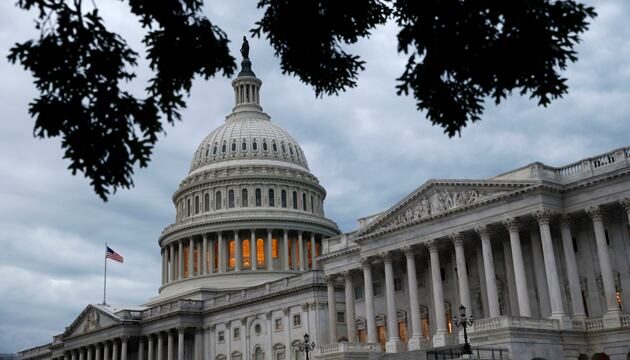
Rapid City, S.D. – After the Senate voted 73‑25 on Nov. 9 to move the Bipartisan American Affordability and Jobs Act (BAAJA) forward for debate, state leaders are urging South Dakotans to make their voices heard. The measure, which would streamline federal approvals for energy projects such as power plants, transmission lines and mines, is still far from becoming law.
Procedural votes keep the bill alive
Senators cleared a second procedural hurdle on Nov. 10, voting 62‑21 to take up the measure. Neither vote represents a final decision, and the bill must still pass the House and be signed by the president before it can take effect.
Local concerns drive outreach effort
Opponents of the legislation, including a coalition of South Dakota property owners, farmers, ranchers and tribal advocates, posted a social‑media call to action on Nov. 12. They warn that the bill could erode private property rights, limit local decision‑making, and threaten tribal sovereignty, cultural sites, historic landmarks, environmental protections and public lands.
“Economic development can move forward while still protecting private property rights, tribal interests and local decision‑making,” the outreach message reads. The group is specifically asking residents to contact Sen. John Thune and Sen. Mike Rounds to share their concerns before the Senate takes a final vote.
Supporters highlight potential benefits
Proponents argue that BAAJA would reduce red tape, speed up the construction of critical energy infrastructure, and help lower electricity costs for consumers. By creating a more predictable permitting process, supporters say the bill could attract investment and create jobs in energy‑intensive regions.
What the Trump administration says
President Trump’s administration has praised the bill’s intent to cut bureaucratic delays that hinder American energy projects. Administration officials contend that a streamlined permitting process is essential for maintaining the nation’s energy independence and keeping utility rates affordable for families.
Next steps for South Dakota voters
While the Senate continues to debate the measure, the final outcome remains uncertain. If the Senate ultimately approves BAAJA, it will still need to clear the House and receive the president’s signature. In the meantime, South Dakota’s elected officials are urging constituents to stay informed and participate in the legislative process.
Residents can reach Sen. Thune and Sen. Rounds through their official Senate offices or via the contact information posted on their websites. The outreach effort emphasizes that a well‑informed electorate is the best safeguard for protecting local interests while pursuing responsible energy development.
Original reporting: KOTA (Gray) – local — read the source article.