More than 776,000 children have lost Supplemental Nutrition Assistance Program (SNAP) benefits since Congress approved changes to federal food assistance rules. This change has alarmed anti-hunger advocates, as SNAP is often the doorway to other nutrition programs. When children lose food assistance, many families face additional obstacles obtaining free school meals, Women, Infants, and Children (WIC) benefits, and other support designed to keep hunger from disrupting a child’s health and education.
Impact on Local Communities
The impact could be particularly severe in certain areas, such as the District of Columbia, where SNAP helps provide healthy meals to roughly half of the city’s children. Researchers warn that reductions to the program threaten one of the most effective tools available to combat child hunger. Food insecurity remains a persistent problem in many areas, with thousands of residents, including children, living in households that struggle to consistently afford enough food.
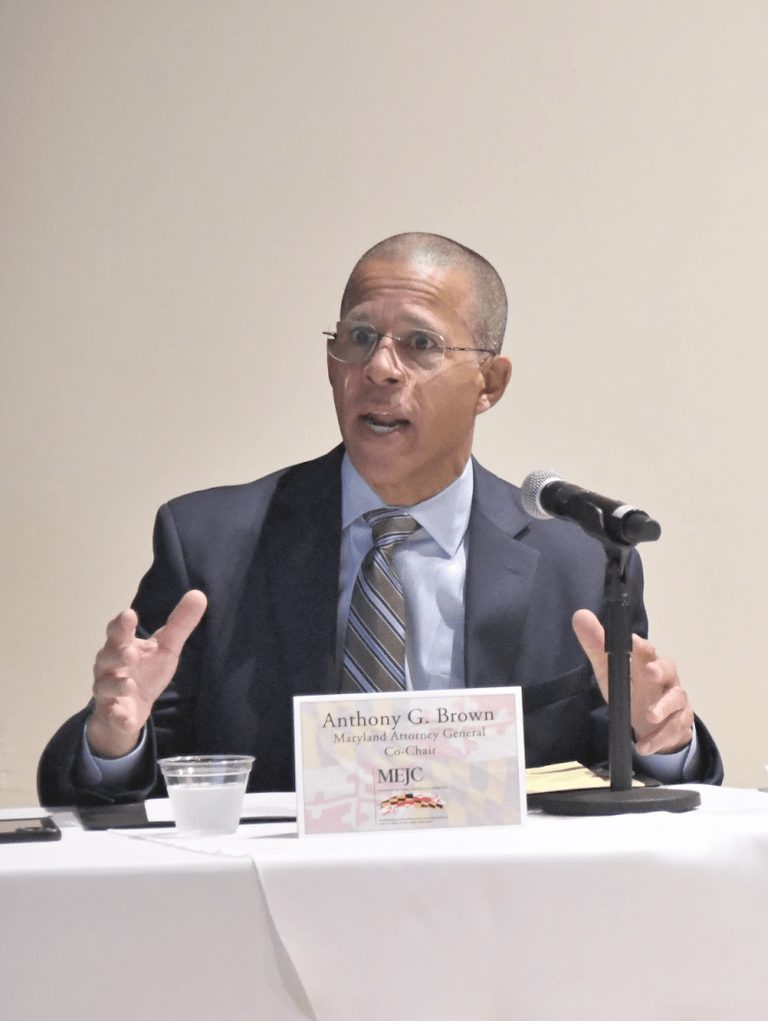
State officials have begun pressing Congress to reverse course. Virginia Attorney General Jay Jones recently joined a coalition of attorneys general urging lawmakers to restore SNAP funding and reject additional reductions under pending federal legislation. Similarly, Maryland Attorney General Anthony Brown joined a multistate effort focused on protecting nutrition assistance programs and preserving SNAP benefits in the next Farm Bill.
Anti-hunger organizations are also warning about the consequences for summer nutrition programs. The Food Research & Action Center has called for continued support of Summer Electronic Benefit Transfer (EBT), which helps families buy groceries when children no longer have access to school breakfasts and lunches during summer break.
Original reporting: The Washington Informer — read the source article.