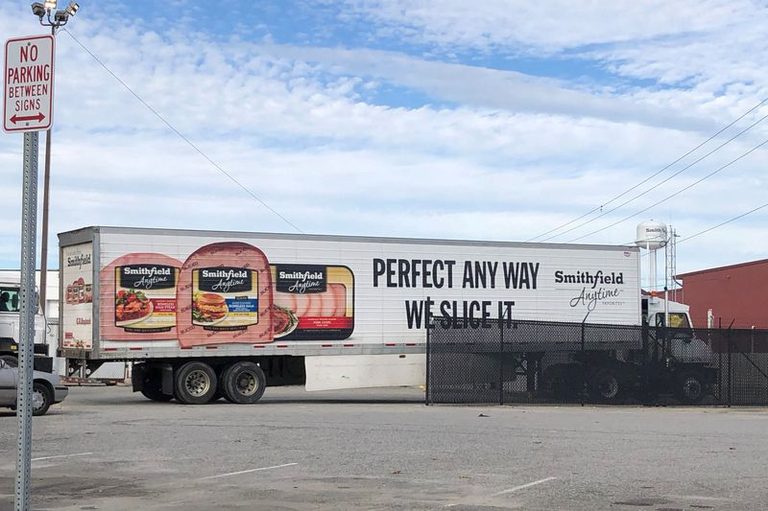
Smithfield Foods, the nation’s largest pork processor, announced on Tuesday that its fresh pork segment is expected to swing to an adjusted operating loss in the third quarter. The company attributes the shift to persistent pressure from lower hog prices and a shrinking industry market spread, which have squeezed margins across the pork value chain.
Key financial outlook
The company now projects a loss of between $70 million and $90 million for the fresh pork segment, which generated the second‑largest revenue for Smithfield last year. This contrasts with a profit of $10 million reported in the same period a year earlier.
In its hog production business, Smithfield expects adjusted operating profit of $25 million to $45 million for the quarter, down sharply from $89 million a year ago.
Despite the setbacks in its pork‑focused operations, Smithfield kept its fiscal 2026 adjusted operating income forecast for its packaged meats segment – the company’s largest line – unchanged at $1.08 billion to $1.15 billion.
Overall company performance
For the three months ending September, Smithfield anticipates total adjusted operating income of $115 million to $175 million, compared with $310 million in the same period last year.
CEO Shane Smith said the outlook change is driven by “external market conditions within portions of the pork value chain.” He added that the company remains “disappointed” by how commodity‑market dynamics will affect near‑term results, but emphasized a continued focus on disciplined cost management and strategic investments.
Recent developments
Last month, Smithfield trimmed its annual total sales and adjusted operating profit forecasts, reflecting broader uncertainty in consumer spending. The company will participate in the Barclays Global Consumer Conference on Thursday, where it is expected to provide further insight into its strategic response to the challenging market environment.
Analysts note that while the fresh pork segment faces headwinds, Smithfield’s diversified portfolio – particularly its strong packaged meats business – provides a buffer against short‑term volatility. The company’s ability to maintain profitability in its core packaged meats line will be a key factor in its overall financial health moving forward.
Industry context
The pork industry has been grappling with a decline in USDA pork cutout and hog prices, which compresses margins for processors and producers alike. Lower consumer spending on meat products adds further pressure, prompting many firms to adopt more conservative profit outlooks.
Smithfield’s revised guidance reflects these broader trends, underscoring the importance of operational efficiency and strategic pricing in a market where supply‑side challenges and demand‑side caution intersect.
Original reporting: Appleton, WI News Feed (HLL/CB) — read the source article.