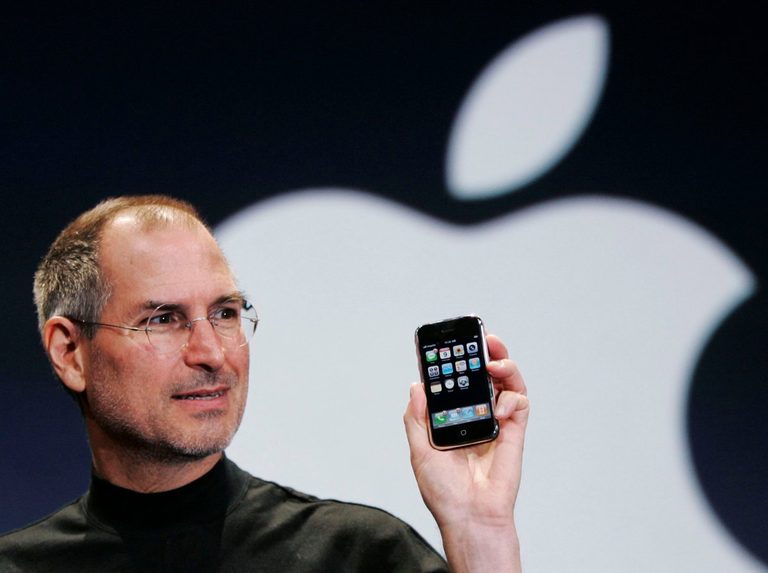
A recent study published by economists Caitlin Myers and Ezekiel Hooper found a correlation between the introduction of smartphones and the decline in the US fertility rate. The study tracked the spread of AT&T mobile broadband and compared the change in fertility rate between 2007 and 2011 with the share of the population living with access to the network.
Findings
The researchers found that in counties where more than 90% of residents had early smartphone access, the fertility rate fell significantly more than it did in counties where less than 10% of residents had network coverage. The difference was sharpest among teens; the birth rate among 15- to 19-year-olds fell about 26% between 2007 and 2011 in counties with broad smartphone access, compared with a 14% drop in counties with limited smartphone access.
The study estimates that early diffusion of the iPhone caused between a third and a half of the decline in the general US fertility rate between 2007 and 2011. The researchers theorize that it may be related to ways the technology has shifted our time and attention — particularly in ways that would make it less likely to have sex and lead to a pregnancy.
Expert Reactions
Some experts agree that smartphones have played a role in changing relationship patterns that can lead to lower fertility rates, but they say the broader context matters. Dr. Alison Gemmill, an associate professor of epidemiology at the UCLA School of Public Health, noted that major changes in housing costs, education, labor markets, gender norms, and social life have also contributed to the trend.
Dr. Sarah Hayford, director of the Institute for Population Research and professor of sociology at The Ohio State University, pointed out that the general trend of declining fertility in the US started decades before the introduction of the iPhone. She also noted that the timeframe studied by the researchers marks a period when access to contraception expanded markedly for young people in the US.
Original reporting: KTVZ (Central Oregon) — read the source article.