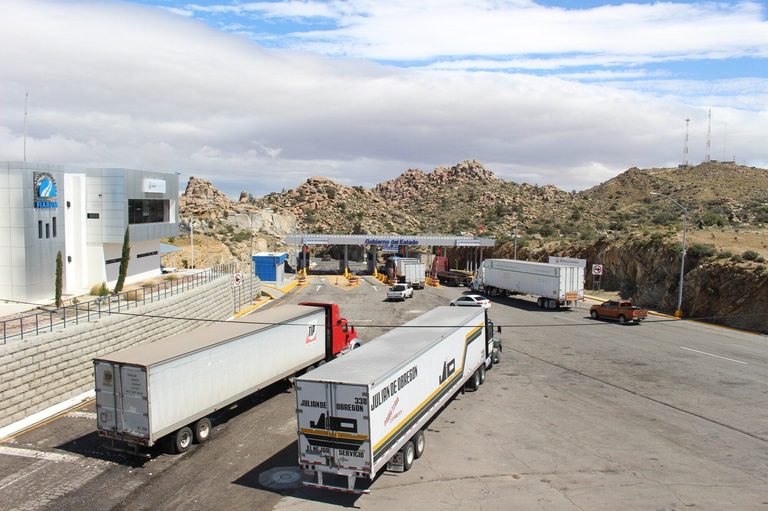
Across the United States, small trucking companies—often owner‑operators or fleets with ten trucks or fewer—play a crucial role in moving freight on local, regional and niche routes that larger carriers may overlook. According to the American Trucking Associations, 91.5% of motor carriers fall into this category, highlighting the breadth of the small‑operator segment.
Why Small Operators Matter
These businesses may be modest in size, but they handle a meaningful portion of freight between cities, warehouses, construction sites, farms and other regional customers. Their ability to respond quickly to customer needs, adjust schedules on short notice, and focus on specialized loads makes them indispensable to the broader transportation economy.
Defining a Small Trucking Company
There is no single universal definition, but industry practice typically includes owner‑operators and fleets with a limited number of trucks. Federal small‑business programs also use revenue thresholds that vary by trucking category, such as long‑distance truckload freight, to determine eligibility for assistance.
Flexibility and Local Knowledge
Small carriers excel at serving routes that do not generate enough volume for a large fleet. Their intimate knowledge of regional roads, construction patterns and local loading facilities allows them to plan routes with fewer surprises and to build strong relationships with shippers. Drivers who regularly serve the same area can anticipate delays and adjust routes accordingly.
Cost Structure and Profitability
Operating a lean business means fewer layers of management and lower administrative overhead compared with national carriers. However, costs such as fuel, insurance, maintenance and truck payments still represent a significant portion of expenses. Successful operators keep these costs under control and can profit from loads that would be uneconomical for larger fleets.
Specialized Services and Niche Opportunities
Many small carriers focus on niche markets that require specific equipment, timing or handling—such as refrigerated loads, oversized cargo or time‑critical deliveries. By offering expertise in these areas, they can command higher rates and differentiate themselves from general freight providers.
Regulatory Burdens and Support Tools
Even a single‑truck operation must comply with a range of federal regulations, including DOT registration, UCR filings, BOC‑3 forms and driver qualification files. Some operators use services like TruckingHQ to manage back‑office tasks, allowing them to concentrate on freight movement. Staying current with compliance reduces the risk of costly disruptions.
Finding Work
Small carriers typically secure loads through load boards, freight brokers, direct shipper relationships and referrals from existing customers. Some develop dedicated lanes or contracts with local businesses, providing a steady stream of work while maintaining control over rates and service terms.
Conclusion
While they may operate only a handful of trucks, small trucking operators carry real weight in the national transportation system. Their regional expertise, flexible scheduling, niche services and close customer ties enable them to compete alongside much larger fleets, supporting local economies and ensuring that freight reaches even the most remote destinations.
Original reporting: 93.1 WIBC (Indianapolis) — read the source article.