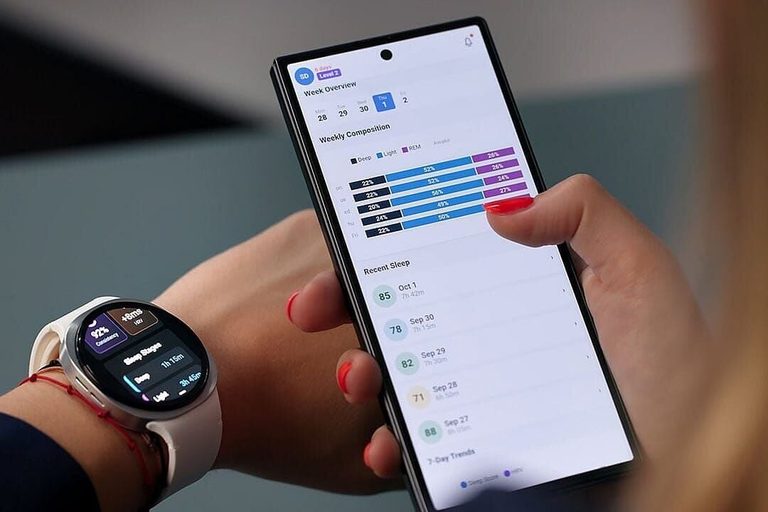
Sleep used to be a simple, natural part of daily life. Today, a growing segment of the wellness community treats it as a performance metric, coining the term “sleepmaxxing” to describe the relentless pursuit of higher sleep scores. The trend relies on smart rings, sleep‑tracking apps, blackout curtains, supplements and even mouth tape, all aimed at squeezing the most out of each night’s rest.
Why Sleep Has Become a Wellness Obsession
The Centers for Disease Control and Prevention still recommends that adults aged 18 to 60 get at least seven hours of sleep each night, emphasizing both duration and quality. Technology, however, has turned sleep into a quantifiable data point. A 2026 survey by the American Academy of Sleep Medicine (AASM) found that 48% of adults had used a sleep‑tracking device, up from 35% in 2023. The pandemic amplified this interest as disrupted routines and heightened stress made people more aware of their sleep patterns.
Potential Benefits of Tracking
When used wisely, sleep data can highlight inconsistent schedules, short nights, or patterns that might otherwise go unnoticed. In the same AASM survey, 55% of respondents said they changed a habit after seeing their tracker’s feedback. For many, this awareness leads to healthier bedtime routines and better overall rest.
The Risks of Over‑Tracking
But the data can also create pressure. The survey reported that 51% of sleep‑tracker users felt anxious or stressed about achieving a good sleep score. Researchers label an extreme form of this preoccupation “orthosomnia,” a condition first described in 2017 when patients became fixated on improving their wearable‑generated numbers. The paradox is clear: sleep works best when it is allowed to happen naturally, yet the optimization mindset can turn bedtime into a nightly performance review.
Understanding the Limits of Consumer Devices
Consumer wearables estimate sleep stages using physiological signals, but they lack the comprehensive measurements of clinical polysomnography, which records brain waves, eye movements and muscle activity. The AASM notes that while these devices can show trends over time, their staging accuracy varies by brand, model and software version. Consequently, a single sleep score—whether 82 or 92—does not diagnose a sleep disorder.
When Optimization Delays Proper Care
Relying solely on tracker data can postpone needed medical evaluation. Persistent symptoms such as waking up exhausted may be caused by insomnia, sleep‑related breathing disorders or circadian rhythm issues—conditions that require validated diagnostic testing. The AASM cautions that consumer sleep technology, without regulatory clearance, cannot replace professional assessment.
Practical Guidance for Healthy Rest
The sleepmaxxing movement gets one thing right: it encourages people to take rest seriously. The challenge is to avoid turning that attention into a demand for nightly perfection. Sustainable habits—maintaining consistent sleep and wake times, allowing enough time for sleep, and creating a comfortable environment—are more reliable than chasing ever‑higher scores. Normal life events such as stress, travel or illness will inevitably cause occasional restless nights; trying to “fix” every deviation can add unnecessary pressure.
In short, sleep data can be a useful tool when it highlights broad patterns, but it should not override lived experience or become a source of anxiety. Treat the numbers as information, not a grade, and seek professional help if problems persist. By focusing on consistency rather than perfection, individuals can reap the true benefits of restorative sleep.
Original reporting: KTBS 3 (Shreveport) — read the source article.