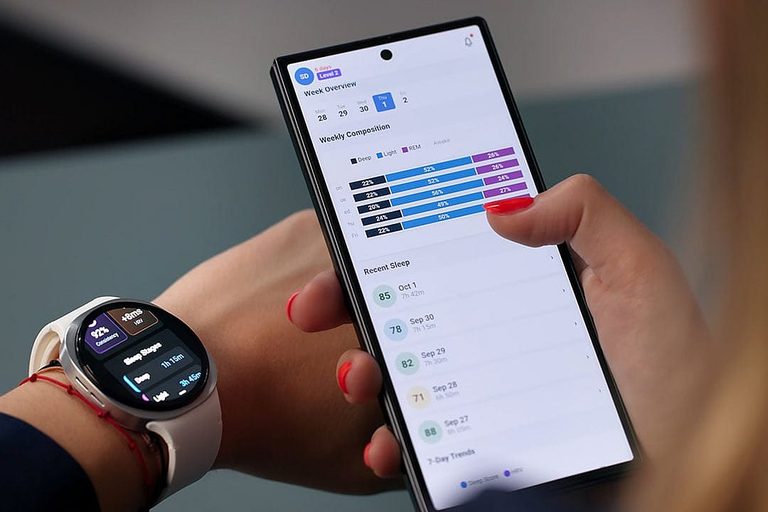
Across the United States, a new wellness sub‑culture called “sleepmaxxing” is urging people to treat sleep like a performance metric. Influencers promote blackout curtains, smart rings, supplements, mouth tape and nightly sleep scores as ways to maximize rest. While the push for better sleep aligns with public‑health recommendations, experts caution that turning sleep into a data‑driven competition can create unnecessary stress.
What the data show
The American Academy of Sleep Medicine (AASM) reports that 48% of adults surveyed in 2026 have used a sleep‑tracking device, up from 35% in 2023. The same survey found that 55% of tracker users changed their bedtime habits after reviewing their data, but 51% also reported feeling anxious about achieving a good sleep score.
Potential benefits
When used responsibly, wearable technology can highlight patterns that might otherwise go unnoticed—such as inconsistent schedules or short nights. The AASM notes that these devices can be useful conversation starters between patients and clinicians, helping to identify broad trends over time.
Risks of over‑optimization
Researchers label an extreme preoccupation with sleep data “orthosomnia.” First described in 2017, orthosomnia describes patients who become fixated on improving tracker‑reported numbers, sometimes at the expense of overall well‑being. Because consumer wearables estimate sleep stages using limited physiological signals, their readings are less precise than clinical polysomnography, which measures multiple physiological parameters in a lab setting.
The AASM emphasizes that consumer devices offer sleep staging with limited validation outside laboratory settings, and performance can vary among brands and software versions. Consequently, a single nightly score—whether 82 or 92—does not diagnose a sleep disorder.
When to seek professional help
Persistent symptoms such as frequent awakenings, daytime fatigue, or loud snoring may signal underlying conditions like chronic insomnia, obstructive sleep apnea or circadian‑rhythm disorders. The AASM states that without appropriate validation and regulatory clearance, consumer sleep technologies cannot diagnose or treat these disorders. Individuals experiencing ongoing problems should consult a qualified clinician rather than relying solely on a tracker’s numeric feedback.
Practical advice
Experts recommend focusing on consistent sleep‑wake times, creating a comfortable environment, and allowing sufficient opportunity for rest—principles that align with the Centers for Disease Control and Prevention’s guidance of at least seven hours of sleep for adults aged 18 to 60. Treating sleep data as informational rather than a grade can reduce anxiety and keep the focus on overall health.
In short, sleepmaxxing brings valuable attention to the importance of rest, but it should not replace professional evaluation or turn nightly sleep into a pressure‑filled performance review.
Original reporting: KEYT (Ventura/Santa Barbara) — read the source article.