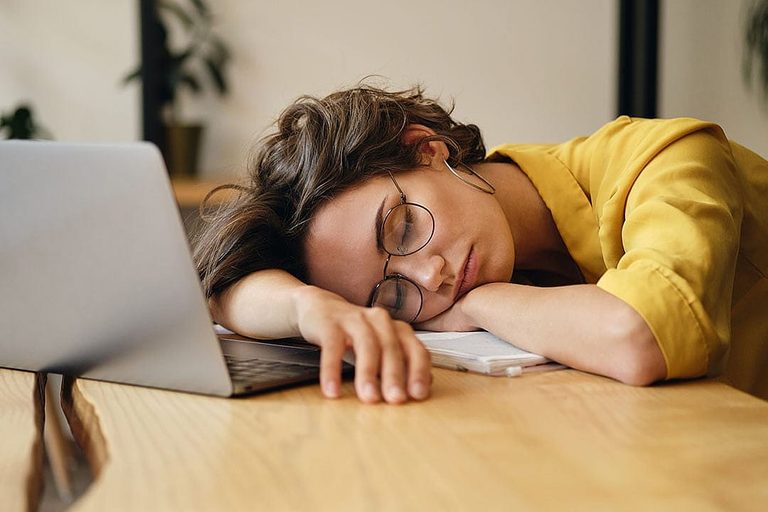
Many Americans are treating sleep like a productivity hack, investing in blue‑light glasses, white‑noise machines, supplements and wearable trackers. The trend makes sense: a 2024 survey found that 30.5% of U.S. adults reported sleeping less than seven hours each night.
Good habits are a solid foundation
Sleep hygiene—maintaining regular sleep and wake times, keeping the bedroom cool and quiet, limiting bright light before bed, exercising regularly, and avoiding large meals, alcohol or caffeine close to bedtime—addresses common behavioral and environmental barriers. For people whose poor rest stems from irregular schedules or lifestyle choices, these adjustments can improve sleep quality.
When habits aren’t enough
However, a tidy routine cannot cure every sleep problem. Medical conditions such as obstructive sleep apnea, insomnia disorder, restless legs syndrome, circadian‑rhythm disorders and narcolepsy often require professional evaluation. The National Heart, Lung, and Blood Institute estimates that roughly 54 million U.S. adults have obstructive sleep apnea, and the institute also notes that 50 million to 70 million Americans live with some form of sleep or wakefulness disorder.
Obstructive sleep apnea blocks the airway during sleep, causing loud snoring, breathing pauses, gasping and excessive daytime sleepiness. Insomnia disorder involves persistent difficulty falling or staying asleep despite adequate opportunity. Restless legs syndrome creates an uncomfortable urge to move the legs, especially at rest. Circadian‑rhythm disorders arise when a person’s internal clock is misaligned with daily life, and narcolepsy, though less common, can produce extreme daytime sleepiness and sudden muscle weakness.
Know when to seek help
Repeated loud snoring, gasping, chronic fatigue despite sufficient time in bed, or persistent difficulty staying asleep should prompt a conversation with a healthcare professional. Diagnosis requires a clinical evaluation—not a self‑assessment based on wearable data alone. The American Academy of Sleep Medicine notes that while FDA‑cleared apps and devices can flag the risk of sleep apnea, they cannot replace a formal sleep study or polysomnography.
Wearable trackers and sleep‑scoring apps can be useful for spotting patterns—such as weekend schedule shifts or behaviors that correlate with poorer rest—but they are not diagnostic tools. Chasing a perfect sleep score can become counterproductive; a mediocre score does not automatically indicate a medical problem, just as a high score cannot rule one out.
Health risks of untreated sleep disorders
Untreated sleep apnea, for example, raises the risk of hypertension, heart attack and stroke. In general, insufficient sleep is linked to obesity, diabetes, hypertension, heart disease, stroke, anxiety and depression. When sleep problems persist for several weeks, interfere with work or daily functioning, or create safety concerns while driving or caring for others, professional evaluation is warranted.
What a medical evaluation may involve
Healthcare providers will review sleep patterns, medical history, medications and other symptoms before deciding on further testing. Depending on the suspected cause, they may order a sleep study, actigraphy monitoring, or blood tests for conditions that affect sleep.
For most people, solid sleep hygiene remains a vital part of overall health. Consistent schedules, appropriate light exposure, a comfortable bedroom environment, and mindful choices around caffeine and alcohol can make restorative sleep more attainable. Yet when these measures fail to alleviate persistent exhaustion or excessive daytime sleepiness, it is time to look beyond habits and seek expert care.
Original reporting: El Paso News (HLL/CB) — read the source article.