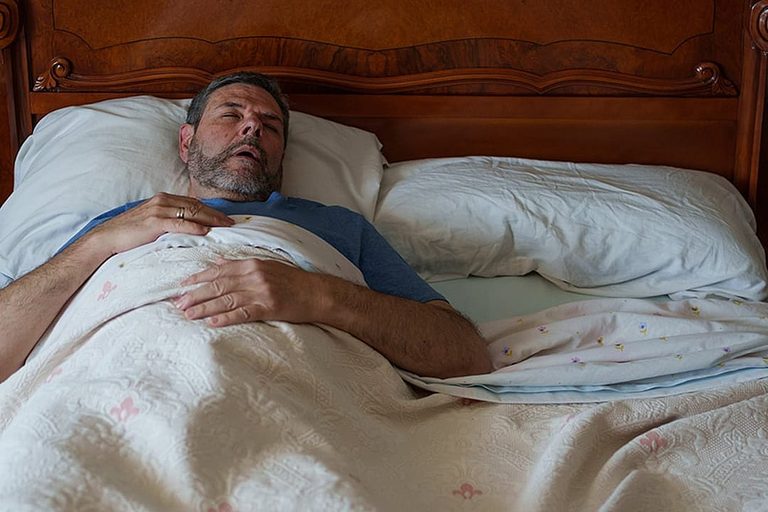
Sleep apnea is one of the most common yet overlooked health conditions affecting adults across the United States. The American Academy of Sleep Medicine estimates that almost 30 million U.S. adults have obstructive sleep apnea, while roughly 23.5 million of those cases remain undiagnosed.
Why the Condition Goes Unnoticed
Because the breathing interruptions happen while a person is asleep, many individuals never realize they have a problem. Often a partner is the first to notice pauses in breathing, choking, or gasping. For those who live alone, the signs can be invisible.
Typical clues include persistent fatigue, morning headaches, difficulty concentrating, and loud snoring. However, these symptoms overlap with everyday stresses such as caring for a new child, a demanding job, or the natural changes of aging. As a result, many people attribute exhaustion to normal life demands rather than a medical issue.
Who Is at Risk?
While risk increases with age and excess body weight, there is no single profile for a sleep‑apnea patient. Women, younger adults, and individuals who are not overweight can also develop the disorder. Family history, anatomical factors involving the neck or tongue, smoking, and alcohol use are additional contributors.
Hormonal changes during and after menopause can raise risk for women, and nasal obstruction may further complicate nighttime breathing.
Potential Health Consequences
Untreated obstructive sleep apnea is linked to hypertension, cardiovascular disease, stroke, and metabolic problems such as type 2 diabetes. A systematic review of 34 studies across 28 countries highlighted these serious comorbidities, especially among those with severe apnea.
The condition also affects mental and cognitive health. Chronic sleep disruption can lead to memory problems, irritability, depression, and reduced work performance, impacting families and workplaces alike.
Safety is another concern. A 2022 meta‑analysis found that people with obstructive sleep apnea have more than double the odds of being involved in a motor‑vehicle accident compared with those without the disorder.
Barriers to Diagnosis
Practical obstacles often delay evaluation. Some individuals postpone discussing sleep concerns with a physician due to cost worries, limited access to specialists, or stigma surrounding snoring and sleep‑related medical devices.
Improving Access to Testing
Traditional sleep studies performed in specialized centers remain a gold‑standard diagnostic tool, but home‑based sleep testing now offers a convenient alternative for many patients. Screening questionnaires can also help identify those who need further evaluation.
While wearable devices and consumer sleep trackers raise awareness about sleep patterns, they are not a substitute for professional diagnosis. They can spark curiosity, but the critical step is seeking medical assessment when persistent symptoms are present.
What Families Can Do
Recognizing that loud snoring, repeated gasping, persistent daytime sleepiness, or unexplained morning headaches may signal a problem is the first step. Families should encourage open conversations about sleep health and consider a medical evaluation if symptoms linger for months.
Better sleep is not a luxury; it is a cornerstone of overall health, safety, and quality of life. By staying informed and proactive, individuals and families can help close the gap between the prevalence of sleep apnea and its diagnosis.
Original reporting: El Paso News (HLL/CB) — read the source article.