People drive past Kendrick Park expecting something like a regional zoo with a parking structure and a gift shop near the exit. What they find instead is a free, walkable city zoo that operates on a completely different logic—one that, once you adjust to it, feels exactly right for a town this size.
The Kendrick Park Zoo sits on the north end of Sheridan, off Badger Lane, on the grounds of the larger Kendrick Park. It’s been here since the 1920s, which makes it one of Wyoming’s oldest continuously operating zoos, though that fact rarely comes up in conversation. The animals are what people remember.
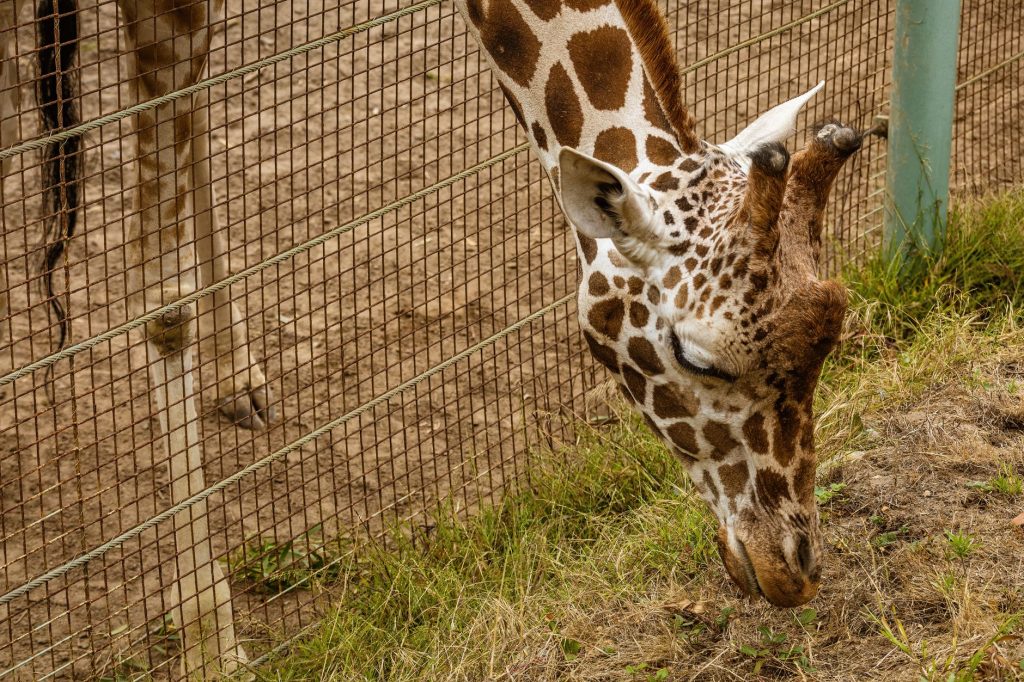
The collection is modest and deliberately so. You’ll find bison, deer, elk, and bighorn sheep—animals that belong in the region, not transplants from another continent. There’s a prairie dog town that draws kids like a magnet, and a few bird enclosures holding species most visitors walk right past on their way to the bigger mammals. The bobcat exhibit stops most people cold. The cats are often active in the morning and early evening, pacing or watching with the flat, direct attention that big cats use. It doesn’t feel like a show. It feels like an observation.
Admission is free. That’s not a promotional detail—it’s the fact that shapes everything about who shows up and why. You get local families on weekday afternoons, grandparents with grandkids who’ve been coming since their own children were small, and the occasional out-of-towner who wandered in from the main park and stayed longer than expected. The atmosphere is quiet in the way that smaller zoos can be—no recorded narration, no timed feedings announced over a PA system.
The grounds themselves are maintained by the city, and you can tell the staff takes the work seriously. Enclosures are clean, animals look well-fed and unhurried, and the signage is informative without being condescending. A few of the structures are older—there’s a cast-iron quality to some of the fencing—but nothing feels neglected.
One thing that catches visitors off guard: the zoo is physically integrated with the rest of Kendrick Park, so you move from the animal exhibits into picnic shelters and playground equipment almost without noticing. Families often make a half-day of it—zoo in the morning, lunch from a cooler at one of the covered pavilions, then the playground. It works because the park was designed around that kind of use, and nobody’s trying to funnel you toward a concession stand.
The best time to visit is mid-morning on a weekday in summer, before the heat peaks and before the afternoon crowd arrives. Spring and fall are genuinely pleasant—the animals tend to be more active when it’s not ninety degrees, and the cottonwoods around the park perimeter go gold in October in a way that makes the whole place look like something from a different era.
If you come in expecting a polished zoo experience with audioguides and climate-controlled interpretive centers, you’ll recalibrate within the first ten minutes. But if you give it a chance on its own terms—a small, regional, completely free zoo in a small Wyoming city—it delivers something most larger institutions can’t quite replicate: the sense that the animals and the community have been coexisting here for a long time, and neither side seems particularly bothered by the arrangement.