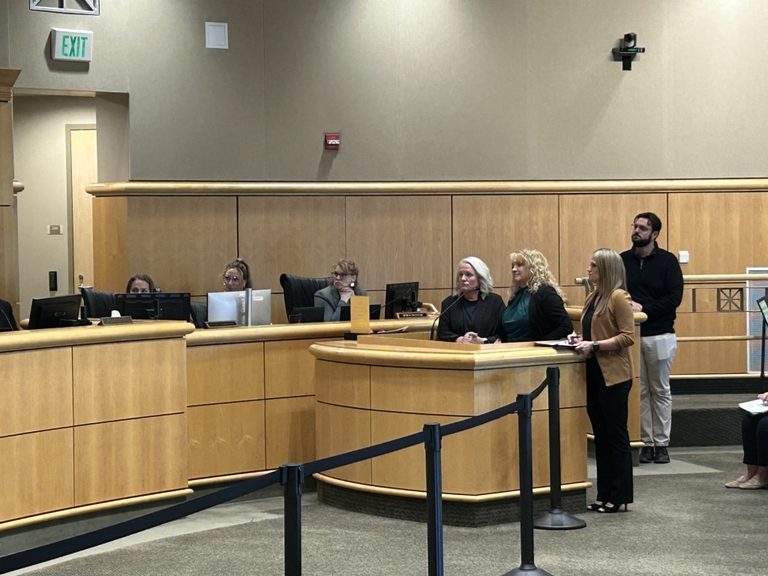
At Tuesday’s Shasta County Board of Supervisors meeting, the recurring theme was “micromanagement,” a charge aimed primarily at Supervisor Matt Plummer. The board wrestled with three distinct issues – long‑term fire‑management proposals, a decades‑old loan to Hill Country Community Clinic, and a new “Recovery First” approach to substance‑use programs – each raising the question of how far elected officials should go in holding staff accountable.
Fire‑department oversight sparks criticism
During a presentation on long‑term fire management, Supervisor Plummer urged the board to direct county leaders to meet with city officials to explore consolidation of fire‑station resources. He also asked Fire Chief Sean O’Hara to return with recommendations on potential station closures and cost‑saving measures, and to develop metrics for tracking department performance.
Supervisor Kevin Kelstrom responded sharply, labeling the proposals as “close to micromanagement.” Chief O’Hara confirmed the department was already working on many of the suggested actions. When Supervisor Allen Long defended Plummer’s approach as “exploring options,” Kelstrom countered that the supervisor’s items were “political theatre.”
The motion to direct county leaders to meet with city officials failed 2‑3, with Kelstrom noting there was “no way he was going to direct the CEO or Chief O’Hara.” However, a separate vote to have Chief O’Hara report back on station‑consolidation options passed, and the chief agreed to present findings before next year’s budget discussions.
Hill Country loan forgiveness debate
Director Jo Campbell of Hill Country Community Clinic asked the board to consider forgiving a 15‑year, $300,000 loan made in 2007. Deputy CEO Erin Bertain noted Campbell had raised the issue in 2024, seeking resolution to clear the clinic’s books. The staff report recommended forgiving the loan over three years of continued services.
Supervisor Kevin Crye objected, stating, “Government’s not supposed to operate like that,” and pledged not to forgive the loan. HHSA Director Christy Coleman explained that the loan could be forgiven by law and represented the best use of funds. After a heated thirty‑minute exchange, the board voted 4‑1 to adopt the staff recommendation, with Crye dissenting.
Recovery First resolution stalls
Late in the meeting, Supervisor Plummer introduced a resolution he called “Recovery First,” aimed at centering recovery in the county’s substance‑use programs. He argued the approach would help people get off drugs and called for measurable outcomes. Critics, including Kelstrom, questioned whether the county was already pursuing similar goals.
Plummer suggested that programs such as the safe‑needle exchange could be revised or phased out to include more education for users. CEO David Rickert warned the resolution would add administrative burdens, but Plummer maintained the extra effort was justified to achieve better results. The motion failed for lack of a second.
Supervisors’ perspectives on accountability
After the meeting, Supervisor Plummer posted on social media that “accountability is not the same as micromanagement,” emphasizing the need for clear expectations and outcome measurement. Kelstrom defended his stance, saying he only sought to hold Hill Country accountable, not micromanage. Plummer, in turn, accused the board majority of “a habit of taking no action when a problem is presented.”
Plummer highlighted a past directive that forced HHSA to cut costs by $1 million a month, a target the agency met, as evidence that setting metrics and holding staff accountable can produce tangible savings. He warned that public‑sector incentive structures often prioritize compliance over delivering real value, and urged the board to focus on results for Shasta County residents.
The meeting underscored the delicate balance between oversight and overreach. While supervisors agreed that accountability is essential, they remain divided on how much direction elected officials should provide to department heads. The outcomes – a failed fire‑management motion, a narrowly passed loan forgiveness, and a stalled recovery resolution – reflect ongoing debates about the role of local government in guiding and supervising county services.
Original reporting: Shasta Scout (Redding) — read the source article.