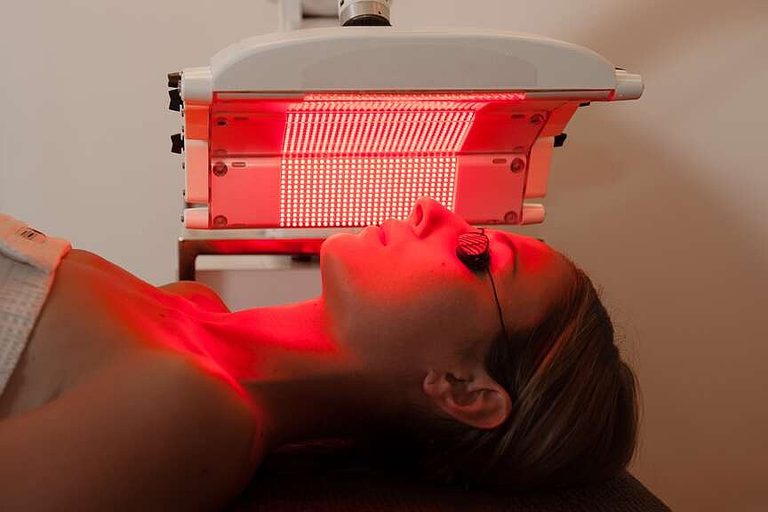
Dallas residents looking for a non‑invasive wellness option now have a clearer picture of red light therapy. The treatment applies low‑level red wavelengths to the skin, allowing the light to penetrate deeply and stimulate the mitochondria – the cell’s powerhouses. By activating a protein called cytochrome c oxidase, the therapy increases cellular energy production, which can enhance healing, blood flow and reduce inflammation.
How the Science Works
Red light has a longer wavelength and lower energy than natural daylight, which lets it travel farther into tissue without damaging skin. Researchers say the light is absorbed by cytochrome c oxidase inside mitochondria, prompting the cells to produce more adenosine triphosphate (ATP), the energy currency of the body. More ATP means cells can function more efficiently, supporting tissue repair and circulation.
Conditions People Are Using It For
Since the 1960s, studies have linked red light exposure to a variety of health benefits. A 2013 study published in Lasers in Surgery and Medicine found a 35% increase in hair growth among men who used a red‑light helmet every other day for 16 weeks. The therapy also appears to boost collagen production, which helps keep skin firm and elastic, according to the University of Texas MD Anderson Cancer Center.
Patients with acne, eczema or psoriasis report reduced redness and faster healing after regular sessions. The anti‑inflammatory effect comes from a drop in inflammatory cytokines – small proteins that trigger swelling.
For chronic pain sufferers, the combination of improved blood flow and cellular energy can ease neck, back and joint discomfort. Dr. Amol Patwardhan, medical director of the multidisciplinary pain clinic at UT Southwestern, notes that red light therapy is a low‑cost, accessible option for managing arthritis and other persistent pain conditions.
Safety and Availability
The American Academy of Dermatology Association says many at‑home red light devices have received FDA clearance as safe for consumer use. Light‑emitting diode (LED) units are generally preferred because they lower the risk of burns compared with higher‑intensity laser systems.
While the treatment is widely available in spas, dermatology offices and wellness centers across Texas, patients should consult a qualified health professional before beginning a regimen, especially if they have photosensitivity disorders or are taking medications that increase light sensitivity.
What This Means for Dallas
Local clinics and med‑spas are expanding their red light offerings, giving Dallas residents more options to incorporate the therapy into their wellness routines. As the technology becomes more affordable, it aligns with the community’s growing interest in non‑pharmaceutical approaches to health and longevity.
Original reporting: Texarkana Gazette — read the source article.